
What Are Anime and Manga Demographics? Understanding Shonen, Shojo, Seinen and More

If you’ve just started getting into the world of anime and manga, you’ve probably come across terms like Shonen, Shojo, Seinen and Josei. But what exactly do these words mean?
A lot of people think they are anime and manga genres, especially because there are so many new anime fans these days who, believe it or not, don’t know much about this stuff. In reality, Shonen, Shojo, Seinen, Josei and Kodomo are demographics mainly used to indicate the target audience of a work.
And yes, there is an important difference between a demographic and a genre.
What Are Anime and Manga Demographics?
Imagine this: last week I was watching a livestream of a woman in her 30s playing an RPG. She was complaining that Shonen anime are “for kids” and that they aren’t for her anymore, while her chat was agreeing with her.
And apparently I was the only person there who understood that Shonen are made for young people!!!!

Anime and manga demographics are classifications used by the Japanese industry to indicate the audience a particular work was originally published for.
When it comes to manga, this is closely connected to the magazine where the work is serialized.
For example, a manga published in a magazine aimed at teenage boys may be classified as Shonen. Meanwhile, a work published in a magazine aimed at adult women may be classified as Josei.
Obviously, this doesn’t mean that only that specific audience can enjoy the work. An adult can easily enjoy a Shonen. A woman can love a Seinen. A man can enjoy a Shojo.
A demographic is an indication of the editorial target audience, not a rule saying who can or cannot watch or read a particular work.
Shonen
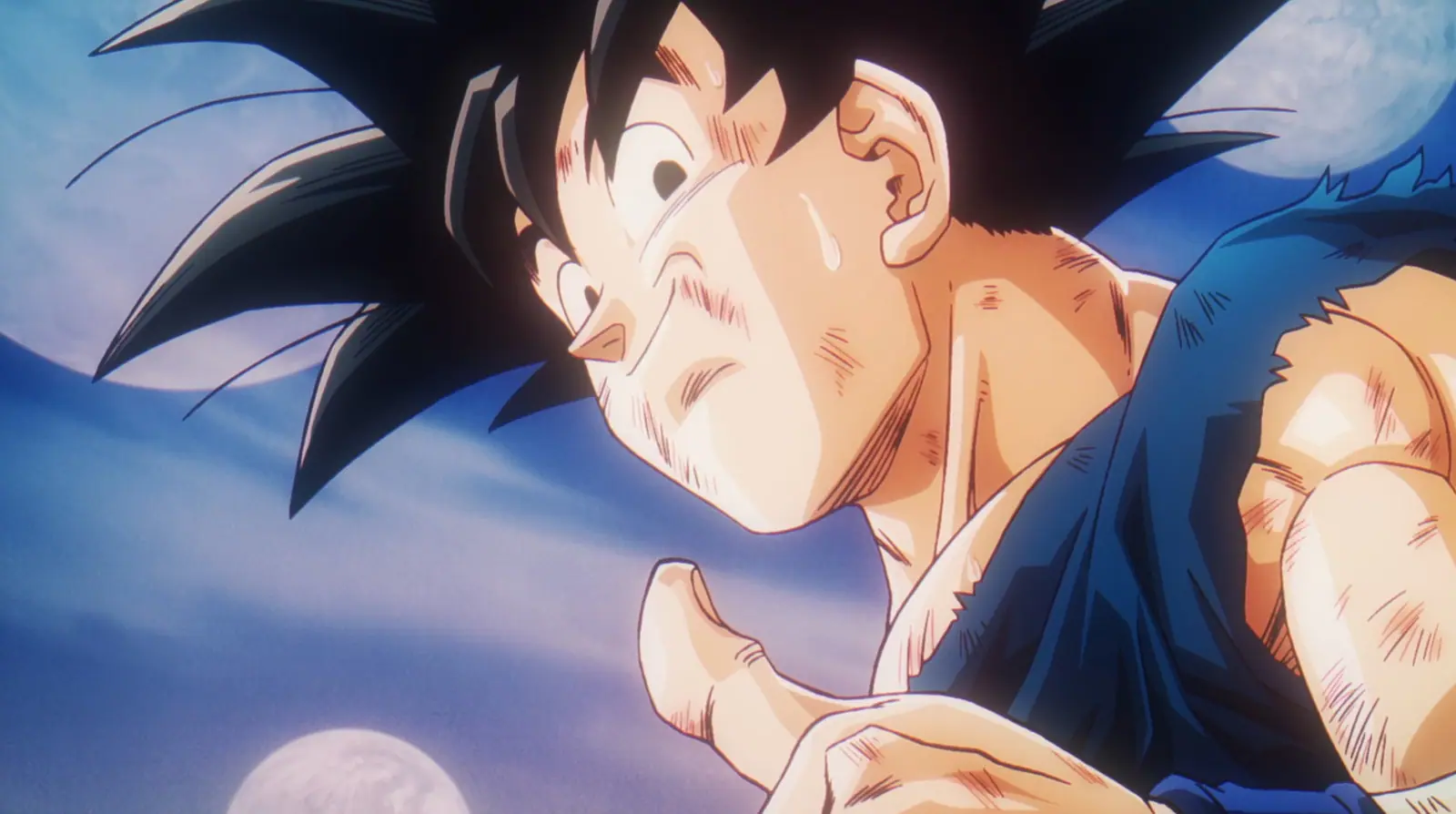
Shonen generally means “boy” or “young boy” and is one of the best-known anime and manga demographics outside Japan.
Shonen manga are normally aimed at teenage boys, although they are enjoyed by people of practically every age and gender.
This is where we find many of the famous action, adventure and battle anime.
Some well-known examples are:
- Dragon Ball
- Naruto
- One Piece
- Bleach
- My Hero Academia
- Jujutsu Kaisen
- Demon Slayer
But here’s the important part: Shonen does not mean “fighting anime.”
This is a very common misconception.
A Shonen work can have action, comedy, romance, sports, drama or even a mix of several different elements.
So technically, saying that Shonen is a genre is incorrect.
Shojo

Shojo means “girl” or “young girl” and is traditionally aimed at teenage girls.
Just like with Shonen, that doesn’t stop people from other audiences from enjoying these works.
Shojo titles are often associated with romance and relationships, but they can also feature fantasy, adventure, drama, comedy and many other elements.
Some famous examples include:
- Sailor Moon
- Cardcaptor Sakura
- Fruits Basket
- Nana
- Ouran High School Host Club
So if you thought Shojo simply meant “romance anime,” you can forget that idea.
Seinen

Seinen is a demographic primarily aimed at adult men or young adult men.
Because of this, Seinen manga often have more freedom to explore themes considered mature, such as violence, politics, psychological issues, sexuality, social problems and more complex dilemmas.
Some well-known examples are:
- Berserk
- Vagabond
- Vinland Saga
- Monster
- Kingdom
- Ghost in the Shell
This also doesn’t mean that every Seinen is extremely violent or serious.
There are Seinen works about comedy, romance, everyday life, fantasy and practically every other type of story.
There are even Yuri Seinen! Like Tai-Ari deshita, which is a Yuri anime and manga about girls who play fighting games. It’s a Seinen!
Josei
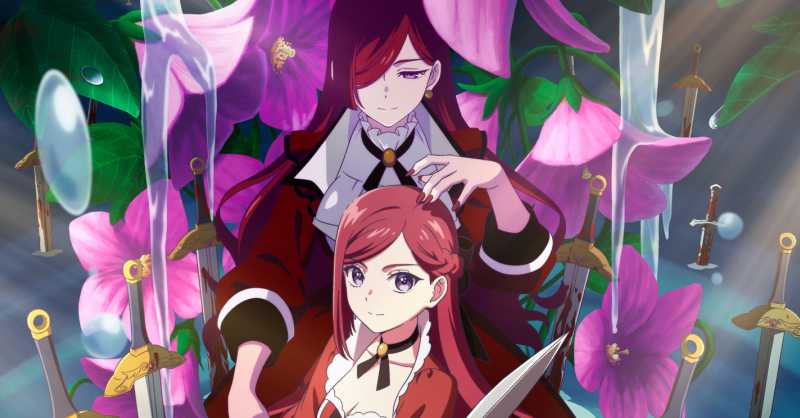
Josei is, generally speaking, the adult counterpart to Shojo.
These are works primarily aimed at adult women, often dealing with relationships and everyday situations in a different way from what you usually find in many Shojo.
Josei romances can feature more mature relationships, career problems, marriage, adult life and other situations that come with this stage of life.
Some well-known examples are:
- Nodame Cantabile
- Usagi Drop
- Paradise Kiss
- Chihayafuru
- Shouwa Genroku Rakugo Shinjuu
And again, this doesn’t mean that only adult women can enjoy these works.
Kodomo
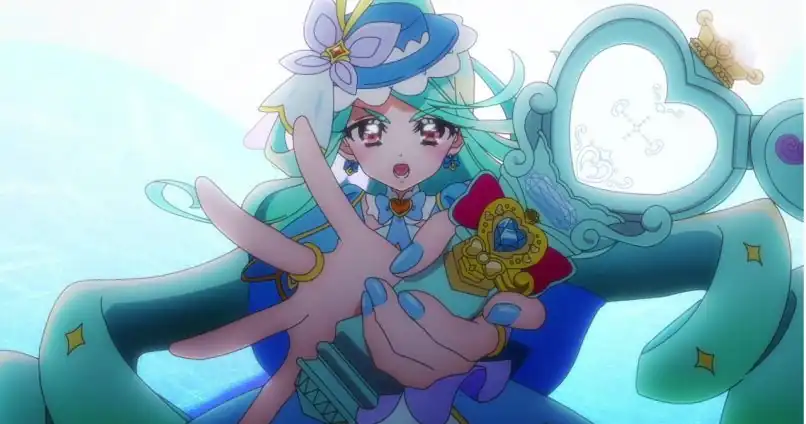
And then we have Kodomo, a term used for works primarily aimed at children.
“Kodomo” literally means “child” in Japanese.
These works are generally simpler and more accessible to younger audiences, although that doesn’t mean adults can’t enjoy them.
Some famous examples include:
- Doraemon
- Pokémon
- Hamtaro
- Anpanman
- PreCure
It’s a demographic that is often forgotten when people talk about Shonen, Shojo, Seinen and Josei.
Demographic Is Not a Genre
This is probably the most important part to understand.
Shonen, Shojo, Seinen, Josei and Kodomo are demographics.
Terms such as:
- Action
- Romance
- Comedy
- Fantasy
- Horror
- Science fiction
- Sports
- Isekai
are used to describe genres or elements present in a work.
A work can be, for example, Shonen + action + fantasy.
Another can be Shojo + fantasy + romance.
And like the example I gave, another can be Seinen + Yuri + comedy!

Or, to put it another way, one thing doesn’t exclude the other.
This is exactly why you can find a Seinen romance manga or a Shonen that barely has any fighting at all.
Why Do These Demographics Exist?
Demographics help Japanese publishers organize their publications and target specific audiences.
A manga published in a particular magazine needs to connect, in some way, with the readers of that magazine.
This influences several aspects of a work, from the themes it explores to the way its story is presented.
But that doesn’t mean an author has to follow a rigid formula.
Do Anime Also Have Demographics?
Yes, but there is an important little difference.
When we’re talking about manga, the demographic is directly connected to the publishing industry and the magazines where the manga is serialized.
With anime, we often use these classifications because the anime is an adaptation of a manga that has a particular demographic.
That’s why you’ll often find people saying that a certain series is Shonen, Seinen or Shojo.
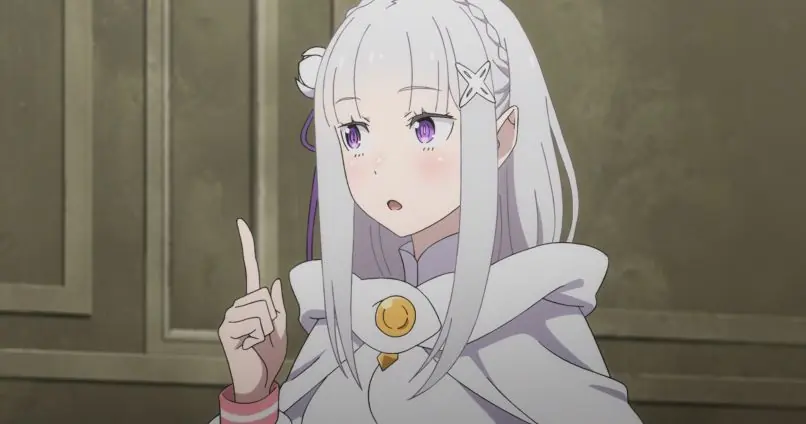
But it’s not correct to imagine that every anime is officially given a “demographic” in the same way manga are through their publication.
Besides, anime is an extremely broad medium.
For example, how would you classify Re? It’s originally a light novel! Well, there is a manga adaptation, and that manga is published in a Seinen magazine!
So Shonen Is for Boys and Shojo Is for Girls?
No.
And this is one of the biggest misconceptions surrounding the subject.
Demographics indicate the original target audience, not the audience that is required to consume the work.
In practice, the anime and manga audience is much more diverse.
A Shonen can have millions of female fans.
A Shojo can have many male fans.

A Seinen can be extremely popular among teenagers.
And a Kodomo work can still be watched by adults decades later. PreCure is a good example, since plenty of adults watch PreCure.
At the end of the day, if you like the work, that’s what matters.
Summing Up the Main Demographics
To make things easier:
| Demographic | Traditional target audience |
|---|---|
| Kodomo | Children |
| Shonen | Teenage boys |
| Shojo | Teenage girls |
| Seinen | Adult/young adult men |
| Josei | Adult/young adult women |
It’s important to remember that these categories represent traditional editorial target audiences, not absolute rules about who can consume each work.
So if you grew up and now say that “Shonen” and “Shojo” aren’t for you anymore, that’s perfectly normal and it’s not the fault of anime and manga from these demographics.