
Author Says “Banished from the Party” Stories Are Very Difficult to Write

Banished from the Party stories are one of the popular formats among Japanese web novels, especially those known as “Narou-kei.” The formula usually features a protagonist who is kicked out of their party for being considered useless, only to later reveal that they were far more capable than everyone imagined.
Author Ameria, known for the light novel Zenmetsu End wo Shinimonogurui de Kaihi shita. Party ga Yanda, recently drew attention to this premise.
According to Ameria, this type of story has to solve a huge contradiction right from the beginning: how can someone who is obviously competent to any observer be considered useless by their own party members?
And for Ameria, that makes Banished from the Party stories much harder to write than they appear.
Author Says “Banished from the Party” Stories Are Very Difficult to Write
In a post on X, Ameria pointed out that Banished from the Party stories have to deal with a major contradiction from the very beginning.
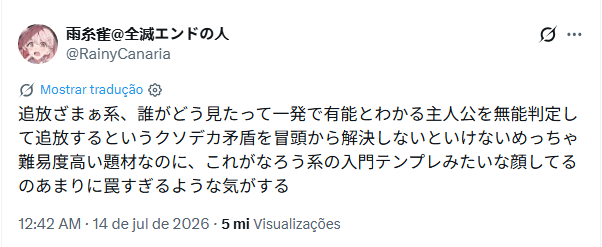
The protagonist needs to be clearly talented so readers can understand their true importance. At the same time, the characters responsible for banishing them have to believe that the protagonist is useless.
That balance is not so simple.
If the author does not provide a good explanation, readers may immediately feel that the protagonist’s party members are simply incapable of recognizing something that anyone else would notice.
Why Didn’t Anyone Notice the Protagonist’s Talent?
That is precisely the question that can hurt a story like this.
Imagine a character who has an extremely useful ability for their party. If they demonstrate that ability repeatedly during their adventures, why did the other members never recognize its value?
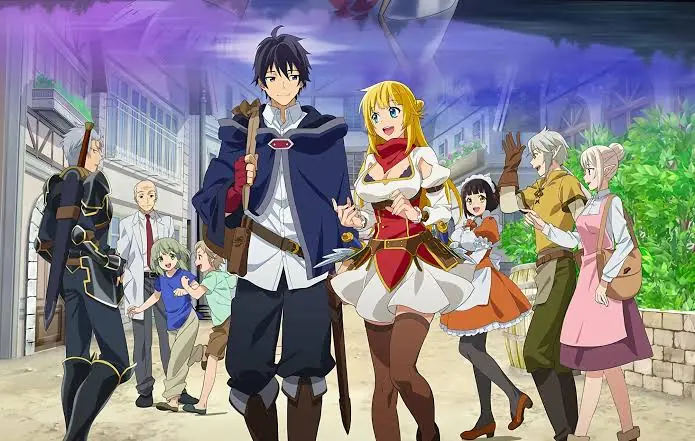
The story needs to provide a convincing explanation for this situation.
The world might consider a certain ability useless, the protagonist might use their powers in a way nobody had thought of before, or there could be specific circumstances preventing the other characters from understanding their true capabilities.
Without something like that, the banishment can feel like a convenient plot device designed simply to make the story work.
Ameria Considers the Genre a Trap
The most interesting part of Ameria’s comment is the comparison to entry-level works for new writers.
The author argues that, despite Banished from the Party stories requiring a high level of skill to resolve this initial contradiction, they have ended up being treated like an “introductory template” for Narou-style stories.

In other words, someone who is just starting to write might look at the formula and think it is simple: introduce an unjustly treated protagonist, have them banished from the party, and then reveal their true potential.
In practice, however, there is a structural problem that needs to be solved before the story can even move forward.
This problem also helps explain a common criticism of this type of story. In some works, the only way to justify the protagonist’s banishment is to make their party members seem extremely incompetent.
The character demonstrates an extraordinary ability, but nobody notices. They are responsible for essential tasks, but nobody recognizes their importance. After they leave, everyone finally realizes that the party depended on them.

When a story does not provide a convincing explanation, readers may feel that the other characters had to be made artificially “dumber” just to make the protagonist look brilliant.
A good Banished from the Party story does not necessarily need to make the entire party look stupid.
It can create a situation where the protagonist genuinely has an ability that is misunderstood in that world. The story can also establish specific limitations, conflicts between characters, or even communication problems that explain why their talent was never recognized.
This way, the banishment becomes more than just a tool to begin the protagonist’s revenge and instead becomes part of the story’s worldbuilding.