
SEGA President Says There Are Many Fans Who Don’t Play the Games

Have you ever imagined being considered a fan of a game without ever actually playing it? This is basically a meme in the Persona community. Haven’t you ever heard the joke that Persona fans never actually play the games in the series?
And now we have SEGA’s own president confirming that he sees plenty of “fans” who have never even touched the games.
According to the executive, there has been an increase in the number of people who follow the company’s franchises without necessarily playing the titles, and, in his view, their level of engagement can sometimes be even higher than that of actual players (yeah, they just don’t buy and play the games).
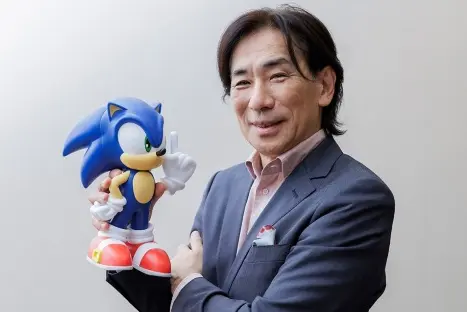
The statement was made during an interview with Nikkei, where Utsumi explained SEGA’s strategy of expanding its major intellectual properties beyond video games.
SEGA Is Keeping An Eye On Fans Who Don’t Play The Games
According to Shuji Utsumi, SEGA has noticed this type of audience growing across practically all of its franchises in recent years.
One of the main examples mentioned by the executive is Like a Dragon, known in the West for many years as Yakuza.
The franchise has a huge cast of characters, stories, and elements that can be enjoyed even outside the traditional experience of playing an action RPG. And that’s exactly where SEGA’s transmedia strategy starts to make a difference.
According to Utsumi, many people discover the world of Like a Dragon through:
- Videos officially posted by SEGA on YouTube;
- Streams and videos from content creators;
- Clips and content shared on social media;
- Licensed merchandise and collectibles;
- Other formats related to the franchise.
And here’s the funny part: many of these people have never played the games.
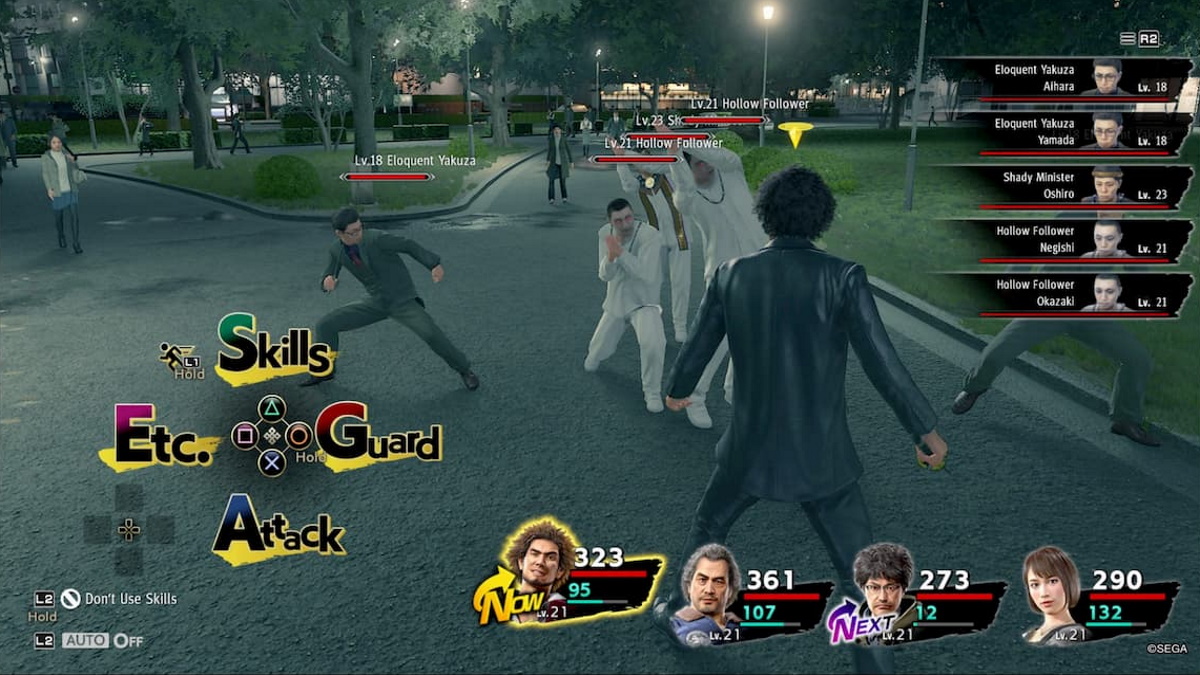
Even so, SEGA considers this audience part of its fan community — and even considers them “gamers.”
Like a Dragon Merchandise Is Getting Attention
The Like a Dragon example also shows why SEGA is so interested in this audience.
According to Utsumi, around 60% to 70% of consumers buying merchandise related to the franchise are women (oh, really? I never could have guessed. I’m saying that because Yakuza is a franchise packed with men, and it has plenty of female fans who absolutely drool over the characters).
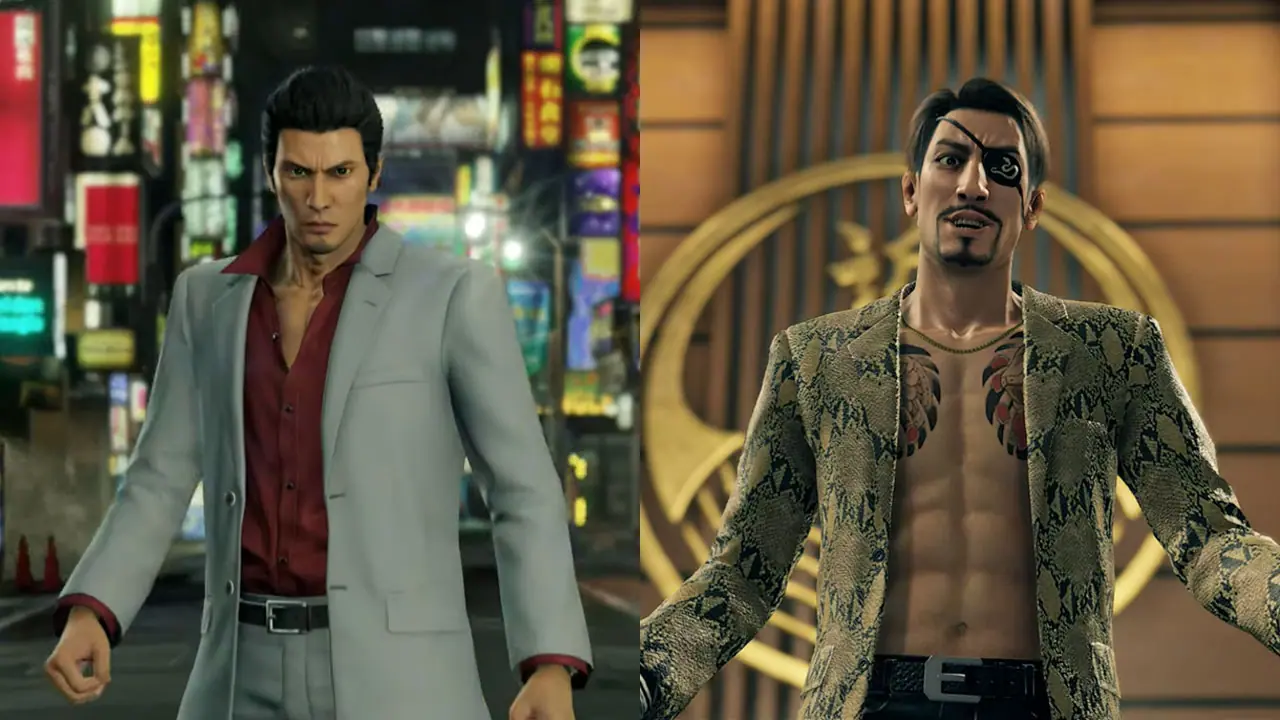
As I mentioned, Yakuza Like a Dragon is packed with male characters, so women love it. I know because I follow plenty of female streamers who play the game, and every single one of them is constantly drooling over characters like Kazuma Kiryu, Goro Majima, and Ichiban Kasuga.
And for a company like SEGA, all of this represents different ways of building a relationship with the same intellectual property.
The Transmedia Concept Explains This Change
The strategy known as transmedia is essentially about making a franchise exist across different formats.
Instead of relying exclusively on a video game, an intellectual property can expand into:
- Movies;
- TV series;
- Anime;
- Manga;
- Music and live shows;
- Licensed merchandise;
- Events;
- Social media content;
- Collaborations with other brands.
SEGA itself has been investing more and more in this model, with franchises such as Sonic the Hedgehog, Persona, Like a Dragon.

And this completely changes the entry point for a franchise.
In the past, someone interested in a video game series would probably have needed to buy the console and the game. Today, that same person might first watch a movie, discover a character on TikTok, follow a Twitch stream, listen to a song, or simply buy a figure of a character they found interesting.
Only after that might they decide to actually play the game.
Some Fans May Be More Engaged Than People Who Play
This is where Utsumi’s statement gets really interesting.
The SEGA president said that, in some cases, the level of engagement from these fans can be even higher than that of people who actually play the games
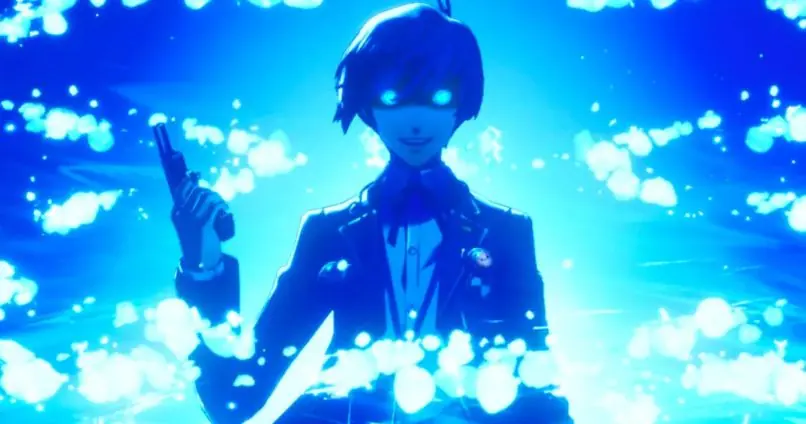
SEGA didn’t explain exactly what metric it uses to define this “engagement.” But it’s easy to understand why the company might see value in this audience.
 Read more::
 A player can buy a game and spend 100 hours playing it without necessarily buying any other product related to the franchise. (Me, I’ve played absolutely every Persona game, and most of them legally, and I don’t own a single piece of merchandise from the series.)
Meanwhile, another fan might never have played the title but follow the characters every day, buy merchandise, watch official videos, attend events, consume adaptations, and complain on social media demanding that the game they don’t even play be completely changed to suit their preferences more than those of the people who actually play it.
From the perspective of a company managing an intellectual property, both audiences have value — just in different ways.