Boichi Says People Who Read Pirated Manga Are Not Enemies, But an Unmet Demand
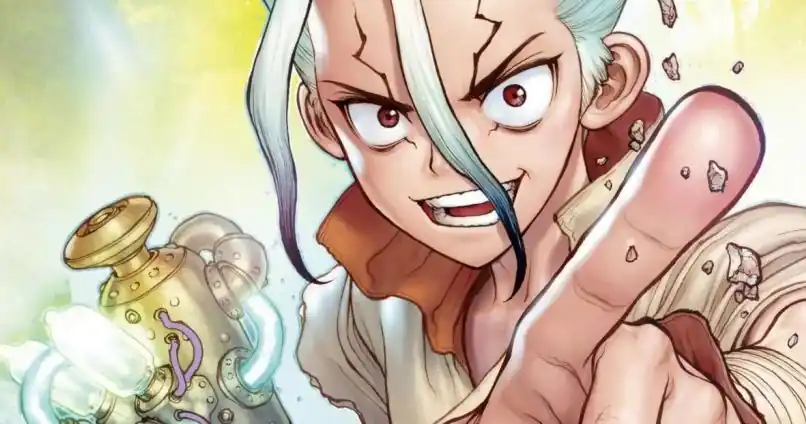
Dr. Stone illustrator Boichi published an extensive series of posts on social media to discuss one of the manga industry’s most controversial topics: manga piracy.
Throughout the posts, the artist explains legal issues, differences between countries, the economic impact of piracy, and, above all, presents an idea that he believes is far more effective than simply punishing people who read pirated manga.
According to Boichi, the real goal should be to transform people who currently read manga through illegal means into consumers of a healthy and sustainable industry.
Boichi says the situation is more complex than simply calling everyone criminals
At the beginning of his discussion, Boichi explains that many people believe reading pirated manga is automatically illegal everywhere in the world.
However, he points out that this depends on each country’s laws and international agreements. In some places, due to specific legal frameworks and national legislation, the situation may be different from what many people imagine.
Even so, the artist makes it clear that, from an ethical standpoint, he considers piracy a serious issue because it involves the unauthorized distribution of other people’s creative work.

Another point emphasized by Boichi is that reality has changed significantly since the old fan-made scanlation groups. In his view, many major piracy websites now operate as international businesses that generate revenue through advertising and other forms of monetization.
For that reason, he argues that the main focus should not be fighting fans, but rather the organizations that profit from exploiting works without the creators’ permission.
Boichi’s proposed solution is to create ways for people to buy manga legally
Perhaps the most important point in his entire series is his vision for the future of the industry. Instead of simply demanding punishment, Boichi believes readers need real alternatives.
According to him, when a country develops publishers, official services, and legal distribution channels for comics and manga, it creates an environment where taxes are paid, jobs are created, and governments themselves gain an interest in combating piracy.

He also argues that more countries should develop their own comics and manga industries, creating strong and sustainable cultural ecosystems.
One of the most remarkable parts of his message is his defense that readers of piracy websites should not be viewed as enemies.
According to the artist, they represent existing demand for the product and can become the first customers of official services once those services become accessible, affordable, and widely available.
Boichi recalls South Korea’s experience, where piracy was once extremely common. After legal platforms emerged, many readers naturally transitioned to official content, strengthening the entire webtoon industry.
In his view, the satisfaction of directly supporting creators is far greater than simply consuming works for free.
Boichi also argues that many countries still lack the infrastructure necessary to publish physical manga, whether because of the absence of publishers, distribution networks, or bookstores.
For that reason, he believes the global growth of the industry depends on expanding affordable digital services around the world.
According to him, when these systems exist, governments collect taxes, local artists gain opportunities, and the entire comics ecosystem becomes stronger.

Perhaps Boichi’s main message is surprisingly optimistic. Rather than seeing people who currently rely on piracy as enemies of the industry, he believes they represent future supporters of the official market—as long as accessible and convenient options are available.
For the Dr. Stone illustrator, creating better legal services, encouraging local artists, and making manga easier to access could be a far more effective strategy than simply trying to fight individual readers.
via Boichi