
Japanese High School Anime Have Several Reasons for Their Popularity, says japaneses Pushing Back Against Western Anime YouTubers

A viral comment in Japan criticized the view of some Western creators about Japanese high school anime, especially the idea that these stories exist because Japanese people consider adult life “miserable” and want to escape reality.
The discussion began after a comment on Twitter gained millions of views by responding to a podcast from Western anime YouTubers. According to the post, explaining the popularity of school anime simply as nostalgia for youth would be a superficial analysis of Japanese society.
Japanese High School Anime Have Several Reasons for Their Popularity
Before explaining, let’s talk about how this topic started. There is a podcast featuring several highly popular Western anime YouTubers, and recently they discussed why anime set in high school are so popular in Japan.
Basically, what they said is that school anime are popular in Japan because:
- For Japanese people, school is the best period of their lives.
- Once they become working adults, life becomes hell, so they look back on their school years with nostalgia.
- Japanese people do not want to see the dark reality of their own society.
You can check the moment when they give their brilliant analysis below:
However, Japanese people do NOT seem to agree with what they said on this podcast. One comment in particular gained more attention for criticizing their “limited view of Japan.” According to the user, many adults who continue following school stories did not necessarily have a perfect adolescence. On the contrary, some people may have faced difficulties during their school years, such as relationship problems, social pressure, or a lack of freedom.
Therefore, the idea that Japanese people watch school anime only because they miss a happy period of their lives does not represent everyone’s reality.

The comment also highlighted that Japanese culture is not limited to anime. Japanese movies, dramas, and manga frequently explore themes such as work, poverty, family, politics, healthcare, and various social issues.
The main criticism was against the idea that Japanese people use anime as a way to avoid facing the problems of their own society.
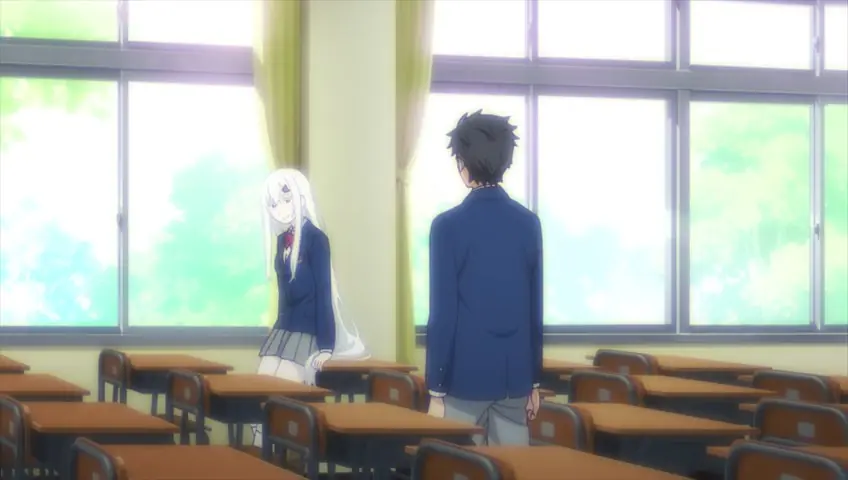
Why Do So Many Anime Use Schools as Their Setting?
Several Japanese commenters pointed out that there are simpler reasons for the huge presence of schools in anime and manga.
One of the main reasons is that a large portion of anime are adaptations of manga aimed at younger audiences, especially works from magazines like Weekly Shonen Jump. Since the target audience is already connected to the school environment, this setting naturally becomes widely used.

Additionally, schools offer many possibilities for creating stories. A single classroom can contain characters with completely different personalities, such as top students, delinquents, athletes, artists, and isolated individuals.
Another point mentioned is that almost everyone has some experience with school, making this environment easy for different audiences to understand.
Japanese Fans Criticize Foreign Interpretations of Japan
Some comments also criticized foreigners who try to explain Japanese society only by observing certain types of anime (THANK YOU FOR SAYING THIS).
One user compared the situation to someone watching a few Hollywood movies and believing that they completely represent the United States. For many Japanese fans, consuming anime does not automatically mean understanding Japanese culture. According to them, living in Japan and deeply understanding its society are two different things.
The discussion also brought criticism toward analyses that treat Japan as if it were a country based only on the most famous elements seen in anime, while ignoring other productions and cultural aspects.