Jinpachi Ego’s Statement in Blue Lock Causes Controversy
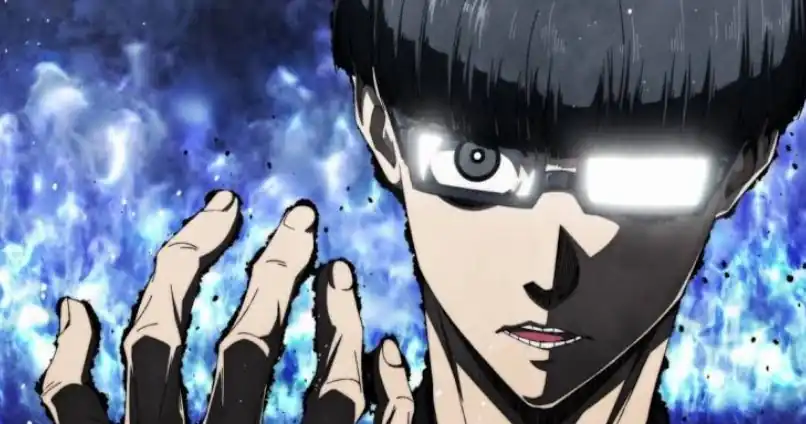
I already published a post this week talking about Japanese fans criticizing the Blue Lock manga, saying it was too arrogant for the series to consider itself “the national manga of Japanese football,” with other people agreeing and criticizing the series as well.
Today, I’m here to update that controversy because a statement from the manga has resurfaced and is causing even more drama online, precisely because of the ongoing World Cup.
Jinpachi Ego’s Statement in Blue Lock Causes Controversy
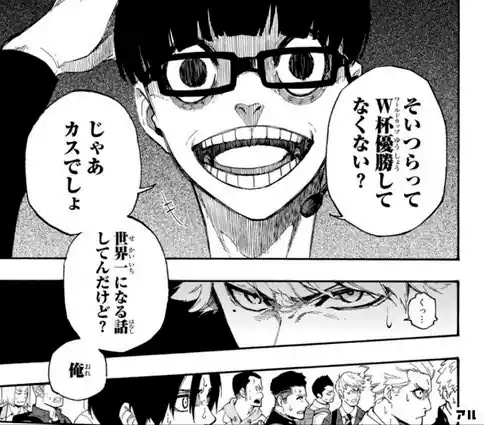
At the beginning of Blue Lock, Jinpachi Ego states that players who have never won a World Cup are “worthless,” indirectly referring to names such as Keisuke Honda and Shinji Kagawa. This declaration has been one of the most controversial aspects of the series since its publication.
Many fans believe the manga crosses the line by using real athletes as negative examples, while others argue that this is part of the extreme philosophy behind Ego’s character.
With the World Cup underway, the topic has gone viral again in Japan, especially because the Japan Football Association (JFA) has been promoting Blue Lock as one of the country’s flagship soccer manga.
Critics argue that the work is disrespectful toward real players, while supporters say it is all part of a fictional narrative focused on extreme individualism.
Many fans defend Jinpachi Ego as an intentionally radical character created to challenge traditional views of team-oriented football. According to these readers, the central idea of Blue Lock is to create the world’s best striker, even if that involves aggressive and provocative rhetoric.
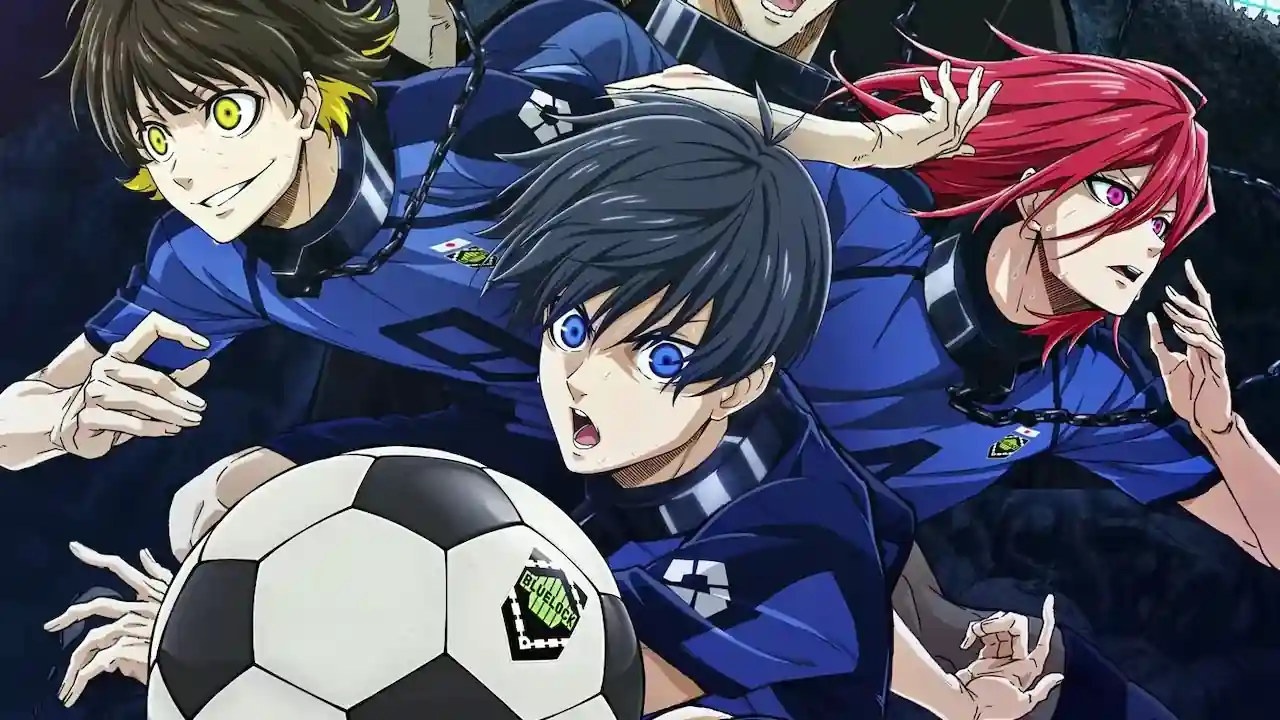
Did a Japanese National Team Player Reference Blue Lock?
The controversy surrounding Blue Lock became even more intense after comments made by Ritsu Doan, who is currently playing in the World Cup.
Before the final group-stage match against Sweden, Doan was asked about the team’s lineup and emphasized:
“No matter which players are selected, that is the best team the coach believes can win.”
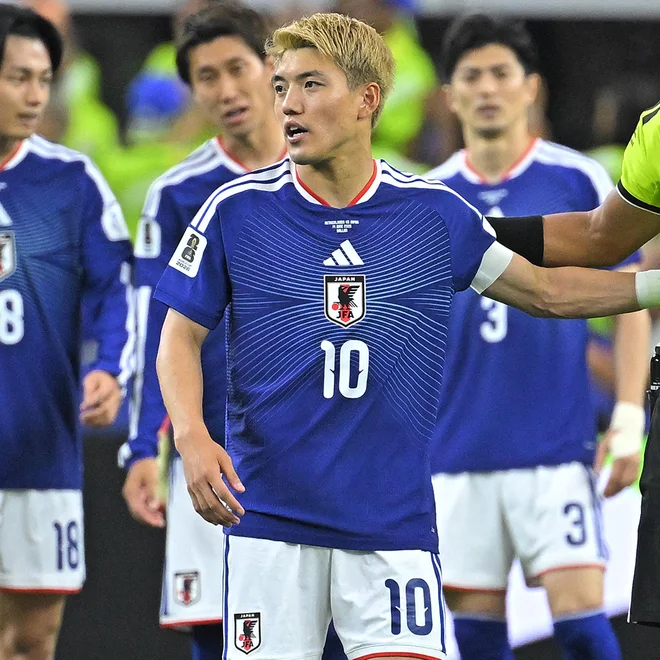
He also stated that Moriyasu’s team has a clear collective-first mentality:
“Anyone who wants to show their ego should do it after the tournament. This is not that kind of competition right now.”
Many Japanese fans interpreted this statement as a direct response to the philosophy promoted in Blue Lock. People are now arguing that, in the context of the World Cup, teamwork and collective play are far more important than the “egoism” portrayed in the manga.
Below are some reactions from Japanese fans:
- “That’s true.”
- “The fact that China is bad at soccer already proves that.”
- “This guy was taking shots at Honda during the last World Cup, so he’s probably talking about him.”
- “It was Blue Lock, right? I’d like to see that happen in real life too, like stealing the ball from your own teammates.”
- “But that was literally the Japanese national team when they were bad.”
- “Recent soccer manga are falling behind real football.”
- “Isn’t Blue Lock also a manga that criticizes Moriyasu (or someone very similar to him)? The war has truly begun lol.”
- “A serious Brazilian team full of selfish players would probably crush Japan.”
- “It’s true that sometimes a star player can end up hurting the team.”
- “I dropped Blue Lock after the first chapter, but it’s amazing that it still keeps causing controversy.”
- “I don’t think people involved in football even consider this manga relevant.”
- “That manga is something else using soccer as a theme. It’s not real football.”
I never imagined there would be this much drama because of Blue Lock.