
Manga Artist Spends 880,000 Yen Buying 1,000 Copies of His Own Series to Avoid Cancellation

The brutal pressure of Japan’s manga publishing industry has led to yet another unbelievable story. This time, a manga artist decided to fight back with his own money, spending a staggering 880,000 yen (approximately $5,700) to purchase 1,000 copies of his own manga in an attempt to boost sales and prevent his series from being canceled after just two volumes.
The story went viral on X after the creator of Gansaku no Daijuuban shared photos of a massive pile of cardboard boxes taking over his home, openly revealing his desperate plan.
YES! This Manga Artist Bought 1,000 Copies of His Own Manga!
In the post that caught the attention of the anime and manga community, the artist showed sealed shipping boxes from the distributor, each marked by hand with the words “Gansaku ① – 1,000 copies.”
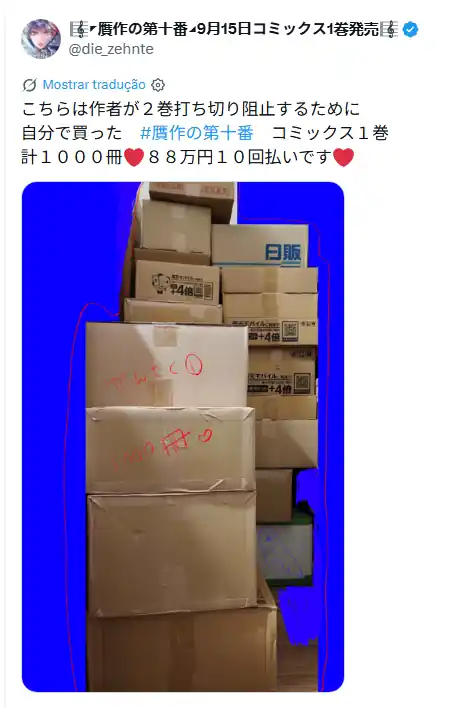
His confession was straightforward:
“Here are the 1,000 copies of Volume 1 of Gansaku no Daijuuban that I bought myself to prevent the series from being canceled at Volume 2. I paid 880,000 yen in 10 monthly credit card installments.”
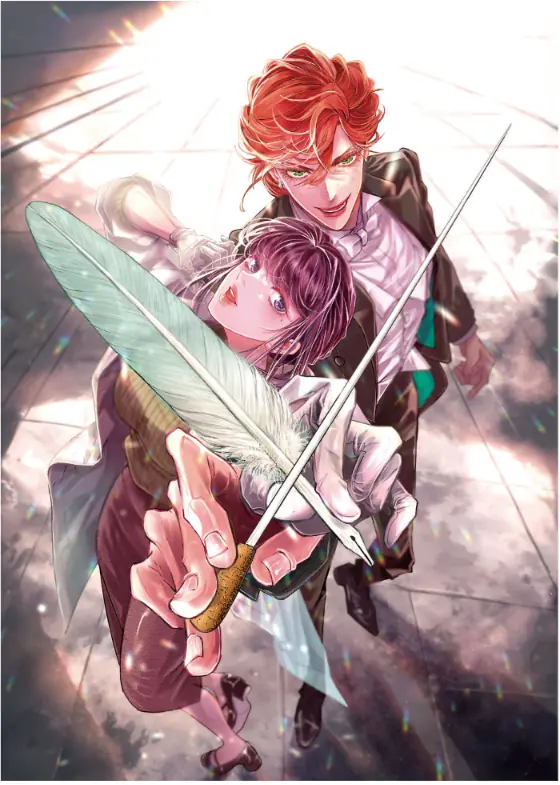
Gansaku no Daijuuban explores art, forgery, and classic mystery themes surrounding Ludwig van Beethoven’s legendary, never-published “Tenth Symphony.” Despite its refined artwork and intriguing premise, the manga’s initial physical sales apparently fell far short of what was needed to secure its continuation with the publisher.

How Do Manga Publishers Decide When to Cancel a Series?
To understand why a creator would go to such extremes, it’s important to look at the harsh economics of manga publishing in Japan:
The Volume 1 survival test: Publishers monitor sales during the first few weeks after a debut volume’s release to decide whether a series deserves a reprint or should be brought to an end with Volume 2 or 3.
Small initial print runs: Physical print runs for smaller magazines and digital-first platforms are often limited. Selling an additional 1,000 copies can make a dramatic difference in reported sell-through figures.
The unofficial practice of “Jibaku Eigyou”: In Japanese business culture, the term jibaku eigyou refers to self-funded purchases made to meet sales targets. Former distribution employees have discussed on forums how manga and light novel creators have bought large quantities of their own books for years to influence sales rankings, although they rarely admit to doing so publicly.
The Author Secured a Third Volume!!
Following the controversy, the author posted more messages on X, thanking readers who helped spread the word about his manga. He also revealed that he had secured the release of Volume 3, but with one important catch: it will only be available digitally.
He also issued a warning to other manga creators: spending your own money to buy copies of your work in an attempt to prevent cancellation is a terrible strategy.
According to him, his sales hadn’t even made it onto the POS ranking during the first week. That meant the 1,000 copies weren’t enough to convince the publisher. In his estimation, more than 3,000 copies would be needed just for the publisher to break even.
The author explained that he took such drastic action because he was determined to finish the story, which he had originally pitched directly to the publisher. That determination, combined with alcohol, eventually led to the now-famous naked dance that went viral online.
Reader Support Gave the Author New Hope
In another post, he revealed that the manga’s actual sales had reached roughly the same level as his previous doujinshi sales. He was deeply moved to realize that his promotion on X and longtime readers were helping drive purchases.
He also mentioned that an unauthorized upload of the manga on a piracy website had received 30,000 views. Despite how difficult it has become to even get people to read something for free, he still believes there may be a small chance for the series to succeed.
The author specifically thanked readers who preordered copies, purchased multiple volumes, and publicly expressed their interest in the story. He also promised to hold several promotional campaigns featuring signed copies when Volume 2 launches, explaining that books distributed for free as promotional materials can be counted as business expenses.
There are now only eight chapters left before the story concludes.