
Japanese Adult Magazines Once Featured Articles About Wars, History, and Even Anime
Who would have thought that Japanese adult magazines could also be a source of knowledge about history, wars, and pop culture? It might sound strange, but longtime Japanese readers are reminiscing about a time when adult publications made room for serious topics, including historical analysis, investigative reports, and even commentary on anime.
The topic resurfaced on social media as Japanese users shared their memories of these magazines. One joked that publishers might have included these articles for the moments when readers entered what is known online as “sainthood mode” — a humorous term for the period after sexual arousal when someone supposedly regains a clear head.
The joke ended up highlighting a fascinating feature of Japan’s adult publishing scene: these magazines could offer much more than readers initially expected.
Japanese Adult Magazines Featured Columns About History, Wars, and Culture
The discussion gained attention after a Japanese X user known as Hitogoto MD posted about how adult magazines from the early Heisei era, which began in 1989, often published articles on subjects completely unrelated to their main content.
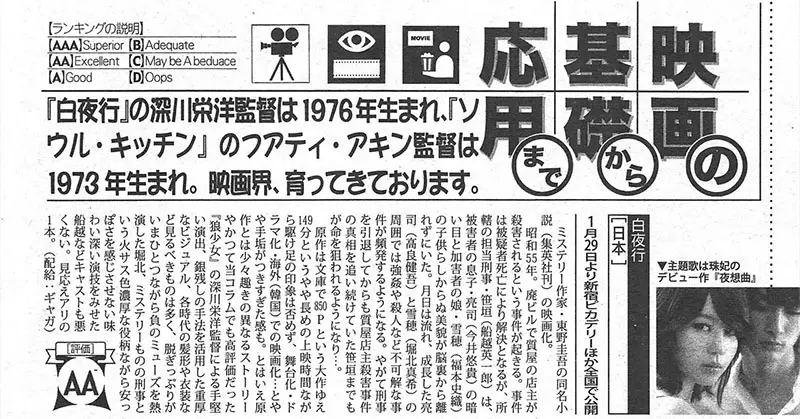
Examples included articles about the 50th anniversary of the end of World War II, the conclusion of the Gulf War, and the military strategies of Oda Nobunaga, one of Japan’s most famous historical figures.
The user joked that these articles seemed tailor-made for readers to enjoy during their post-adult-content downtime. After all, why not learn something while taking a break?
Despite having little apparent connection to the rest of the magazine, these articles could become an unexpected way to pick up new knowledge.
An Adult Manga Magazine Also Covered Movies and Baseball
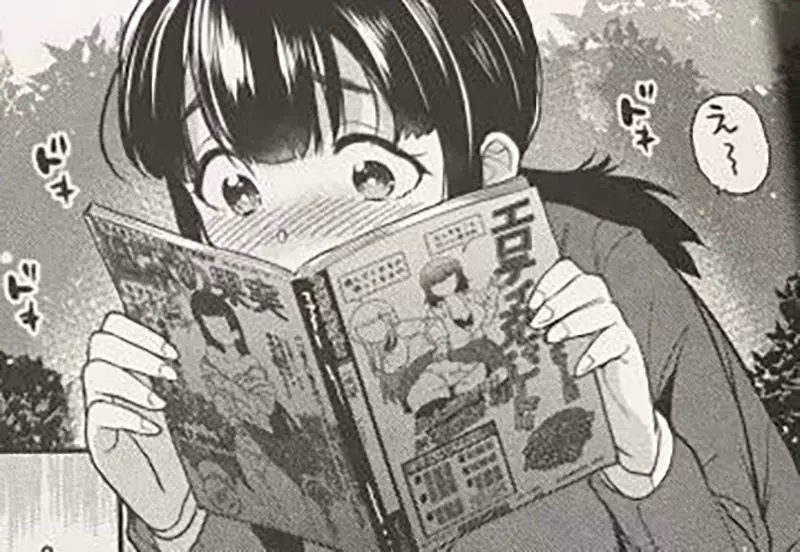
One example mentioned in the discussion was the March 2011 issue of Manga Bangaichi, an adult manga magazine.

Readers recalling these publications highlighted the sheer variety of subjects that could appear alongside their adult content. Some examples included:
- Classic movie analysis, with explanations and commentary on films.
- Tokyo business guides, introducing places readers might want to visit.
- Japanese professional baseball draft analysis, covering one of the country’s most popular sports.
It’s an unusual combination, to say the least. You could open a magazine expecting adult manga and end up reading about cinema, discovering a place to visit in Tokyo, or checking out an analysis of up-and-coming baseball players.
Japanese Readers Recall Crime Reports and Even Articles About Evangelion
The original post also attracted comments from readers who remembered finding all sorts of surprising articles in adult magazines.
One user recalled serious investigative stories, including accounts of people infiltrating Mexican drug cartels. Another noted that these columns sometimes blended informative material with erotic elements, creating reading experiences that went well beyond the magazine’s main focus.
Others remembered articles connected to Japanese pop culture. One reader mentioned a piece with a title along the lines of “Our Neon Genesis Evangelion,” which, according to their recollection, included comments from Hayao Miyazaki, the famous director behind Studio Ghibli.

Since these examples come from memories shared on social media, some details rely on the readers’ recollections. Even so, they help illustrate the range of subjects people associate with these publications.
And the variety didn’t stop there. One user who remembered even older magazines from the late Showa era mentioned serialized language lessons covering African languages.
Yes, apparently you could find language lessons inside an adult magazine!
Why Did Adult Magazines Publish Such Different Content?
One explanation offered by readers involves Japan’s publishing industry in previous decades.
One commenter observed that, during a more prosperous period for the publishing business, there was room for print magazines featuring black-and-white pages and a surprisingly broad mix of content.
But another explanation was even more interesting: the career paths of the editors themselves.
According to one user’s account, some editors entered the publishing industry hoping to produce major investigative reports and documentary-style features. However, they struggled to find opportunities at mainstream publications or to cover the subjects they genuinely wanted to explore.
Some reportedly ended up working for adult magazines because these publications offered them a chance to write with greater freedom.
This recollection helps explain why certain magazines could feature such an unexpected mix of topics. A publication didn’t have to devote every page exclusively to erotic content. It could also offer reporting, essays, cultural criticism, and information about subjects its readers found interesting.
It’s worth remembering, however, that these comments reflect individual experiences and interpretations rather than a definitive explanation for Japan’s entire adult publishing industry.