Aoi Miyamae Says Light Novel Authors Often Can’t Talk Directly to Their Manga Artists
In Japan, when a light novel gets a manga adaptation, the work is usually split between the original author, who handles the story, and the manga artist, who takes care of the illustrations. But did you know that, in many cases, the two aren’t even allowed to communicate directly?
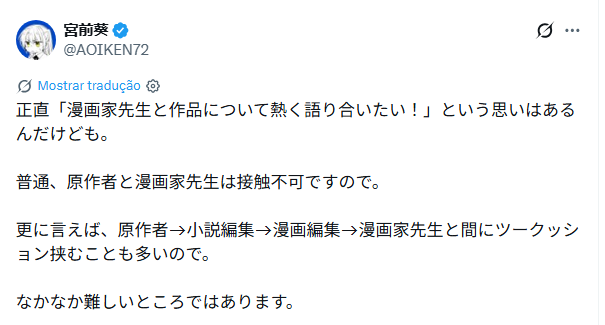
Japanese writer Aoi Miyamae recently brought attention to this unusual practice in a post on X, discussing the communication difficulties between authors and artists working on manga adaptations.
According to him, even when both sides want to discuss the story and exchange ideas, communication often has to go through several intermediaries. In his case, the chain might involve the light novel editor, the manga editor, and only then the person responsible for the artwork.
Why Can’t Authors and Manga Artists Talk Directly?
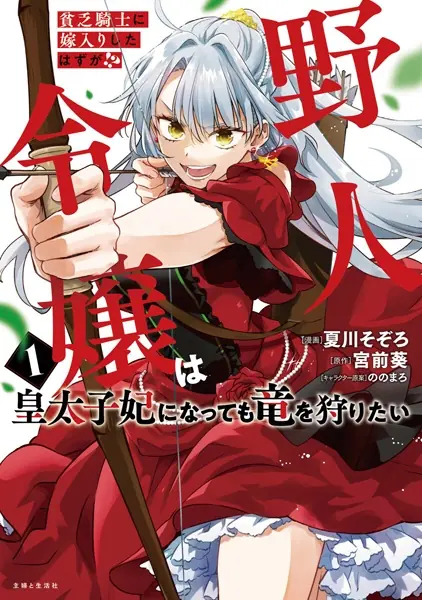
First of all, Aoi Miyamae appears to have written several light novels, and the one that’s best known in the West is Binbou Kishi ni Yomeiri shita Hazu ga, mainly because it has an official English release.
Getting back to the subject, Miyamae explained that he believes this separation exists because light novel authors don’t always understand how manga production works. Likewise, manga artists may not fully understand the work involved in writing a novel.
That’s why editors end up acting as a kind of translator, helping both sides understand each other’s needs and professional limitations.
The main concern is preventing either side from trying to impose their ideas without understanding the other’s work. After all, what seems like a simple suggestion to a writer could mean a considerable amount of extra work for someone who has to turn that idea into illustrated pages.
Authors Can Accidentally Put Pressure on Manga Artists
Another writer who joined the discussion was Ichiro Sasaki, who has also worked on stories adapted into manga. Ichiro is the author of the light novel Atashi Merry-san:
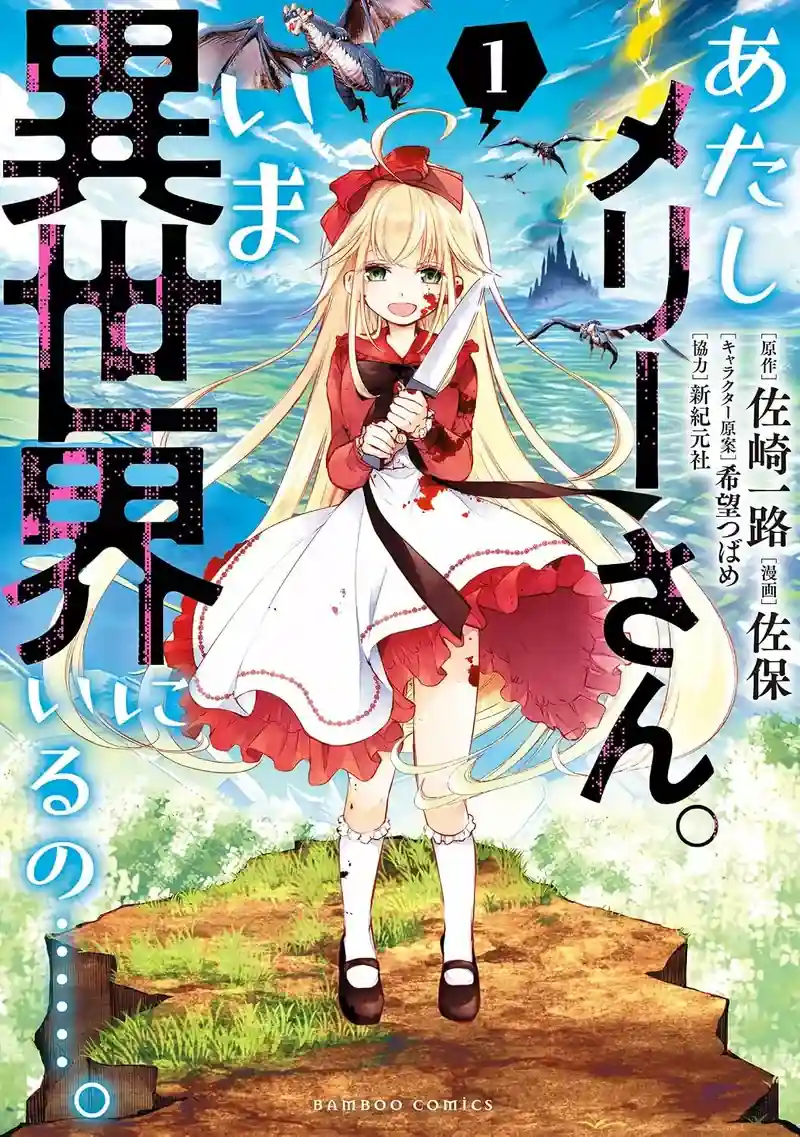
He explained that he once wanted to contact the manga artist working on one of his stories to thank them for their excellent work. However, when he asked his editor for permission to invite the artist out for drinks and talk about the story, he was turned down.
The reason? According to the editor, the original author could end up putting enormous pressure on the artist without even realizing it.
The editor explained that even a casual comment about a panel composition or a scene during a conversation could make the manga artist anxious about their work. That could even disrupt chapter deadlines and delay the release of collected volumes.
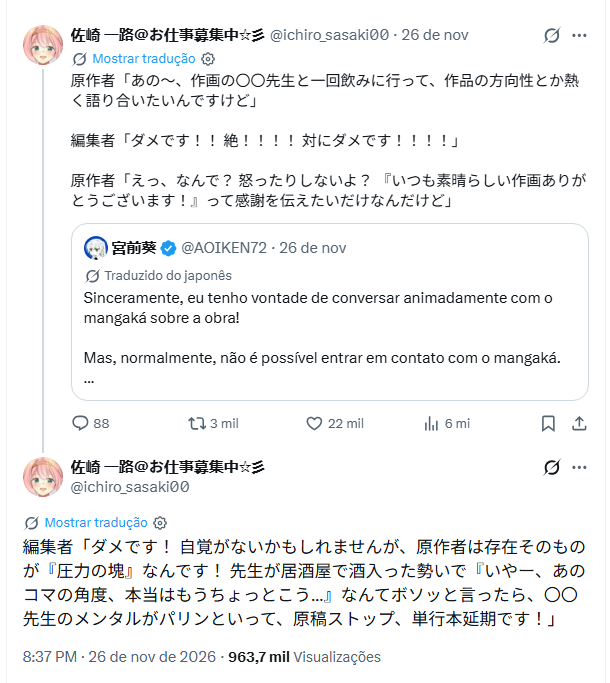
Sasaki joked about the situation, saying that editors treated manga artists like incredibly delicate pancakes that would crumble into dust if an original author so much as touched them.
It’s worth noting that these comments mainly concern light novel adaptations. According to Miyamae, things can be different when the person responsible for the story is a professional manga writer, since they understand the needs of the medium better and can sometimes communicate directly with the artist.
After all, I know of cases where light novel authors do talk to the people working on their manga adaptations. Still, going forward, it’s worth keeping in mind that if a manga adaptation differs considerably from its original light novel, the author may not be able to communicate directly with the person drawing it!