Adult Manga Artist Manno Calls Out Fans Who Brag About Reading Pirated Works
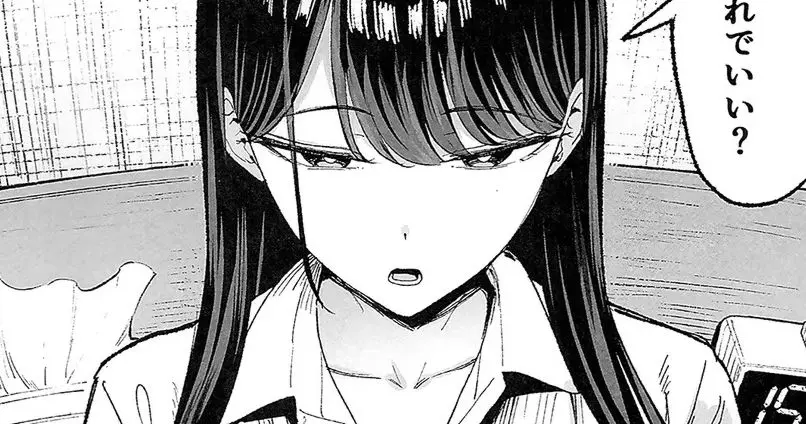
Manga artist Manno, known in the adult doujinshi scene for his work Iribitari Gal, published a video on his YouTube channel to address an issue that continues to directly affect independent creators: manga piracy. According to the artist, some readers who call themselves fans have even bragged online about consuming his work for free on illegal websites.
Manno decided to explain how much work goes into creating an independent manga and why this kind of behavior can be particularly damaging to creators who rely directly on their sales.
Manno Calls Out Fans Who Brag About Reading Pirated Manga
The situation began when the artist came across comments from people proudly claiming that they had read his work completely for free.
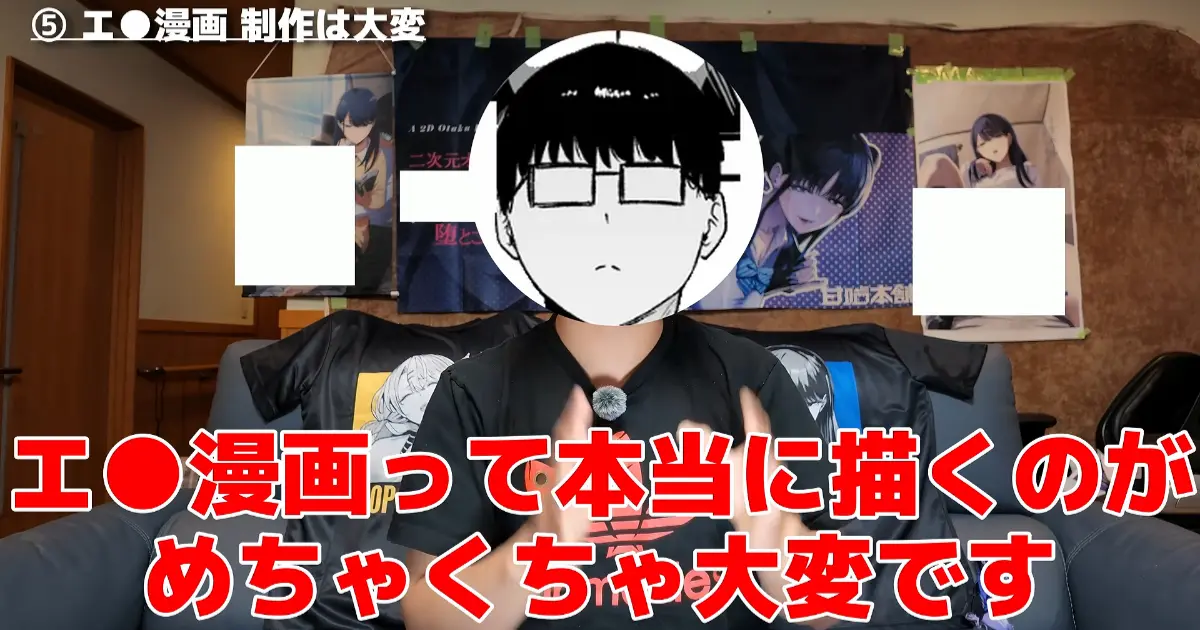
Some of the comments went even further, arguing that adult doujin manga in general should be available for free online.
That attitude was exactly what prompted Manno to publish a video titled “[URGENT] A Message From an Adult Manga Artist,” in which he decided to speak directly to his audience.
For him, there is a huge difference between someone simply being unable to afford a work and treating piracy as something to brag about.
Manno isn’t saying that every reader has to buy absolutely everything he creates. His request is that people who genuinely enjoy his work try to support him financially within their means.
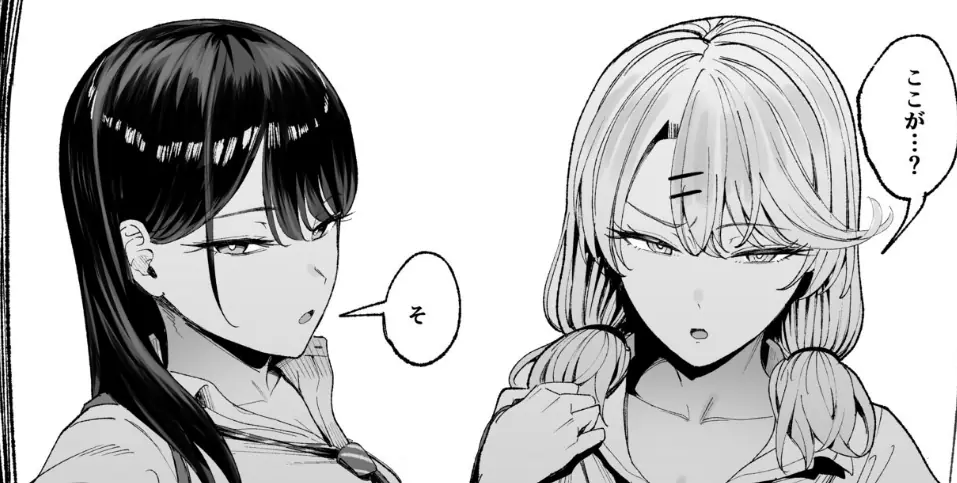
Manno’s Success Allowed Him to Quit His Job
According to the artist himself, his series has already surpassed 1 million copies sold, allowing him to leave his previous job and dedicate himself entirely to creating manga.
That’s quite different from the image some people may have of an independent artist simply working from home.
 Read more:
 A doujin manga artist may have to handle numerous stages of production alone, from creating the work to finishing, publishing, promoting, and selling it.
And when that material is illegally distributed, the person directly losing a potential sale is the very creator who is funding that work.
Creating a Chapter Can Take Hundreds of Hours
Manno said that producing a single chapter can take hundreds of hours of work.
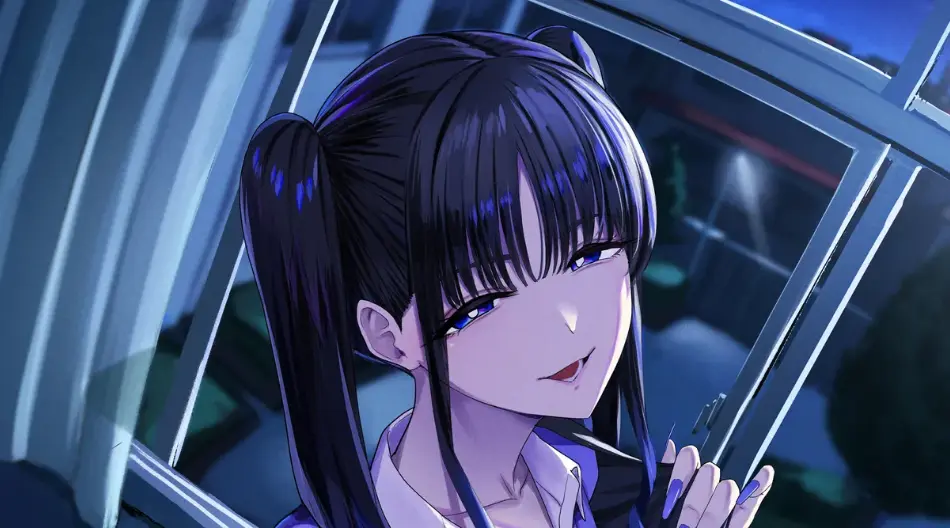
While preparing for events such as Comiket, for example, he says he can work around 14 hours a day, pushing himself to the point of suffering from back pain.
After all that effort, there is a brutal difference between how long it takes to create something and how quickly it can be consumed.
A reader can finish a chapter in roughly 10 minutes, while the artist may have spent days or even weeks creating that same material.
Adult Content Has Even Become Research Material for Him
Manno revealed that he can no longer consume this kind of content simply for fun.
When watching AVs or adult anime, for example, his mind automatically starts analyzing elements that could be used in his own manga.
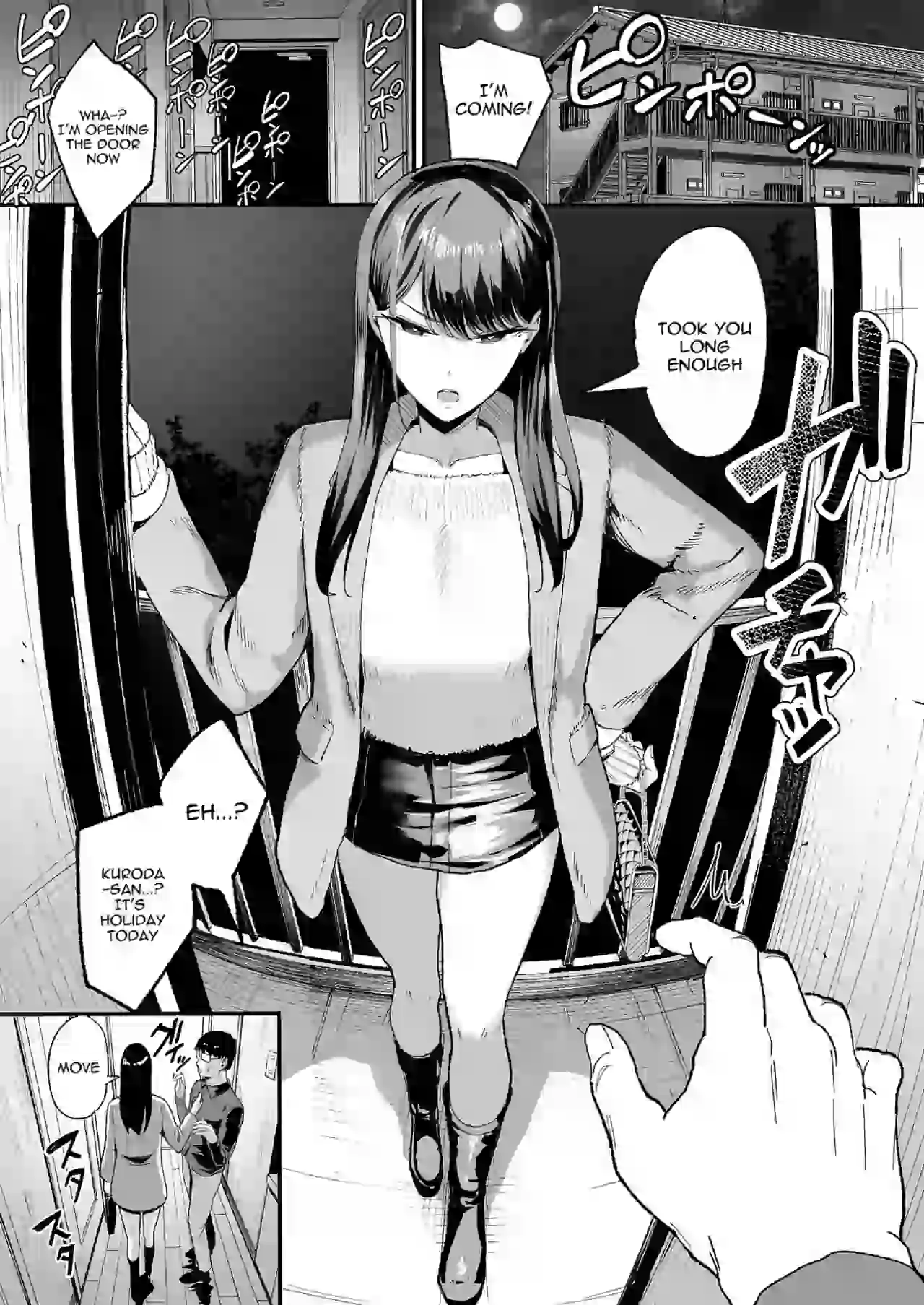
Thoughts like:
- “This composition is really good!“
- “This story works; I could use it as a reference.“
- “I never thought about exploring this fetish this way.“
simply pop into his head.
In other words, something that could otherwise be entertainment ends up becoming professional research.
It’s a curious example of how, for some creators, the line between work and personal life can practically disappear.
“Doujin Manga Artists Don’t Work Any Less”
Another point Manno brought up was the perception that independent doujinshi artists have a more relaxed professional life than manga artists working with major publishers.
He disagrees with that view.
In reality, independent creators may have to take on a huge number of responsibilities that would be divided among several professionals in a traditional publishing environment.
Beyond actually creating the manga, there’s the entire process of production, promotion, publication, and sales.
There’s also the constant pressure to keep producing new material.
That’s why Manno wanted to make it clear that the fact an artist works independently doesn’t mean their work has less value or requires less effort.