
Touka Gettan: The Anime Broadcast in Reverse Order on TV
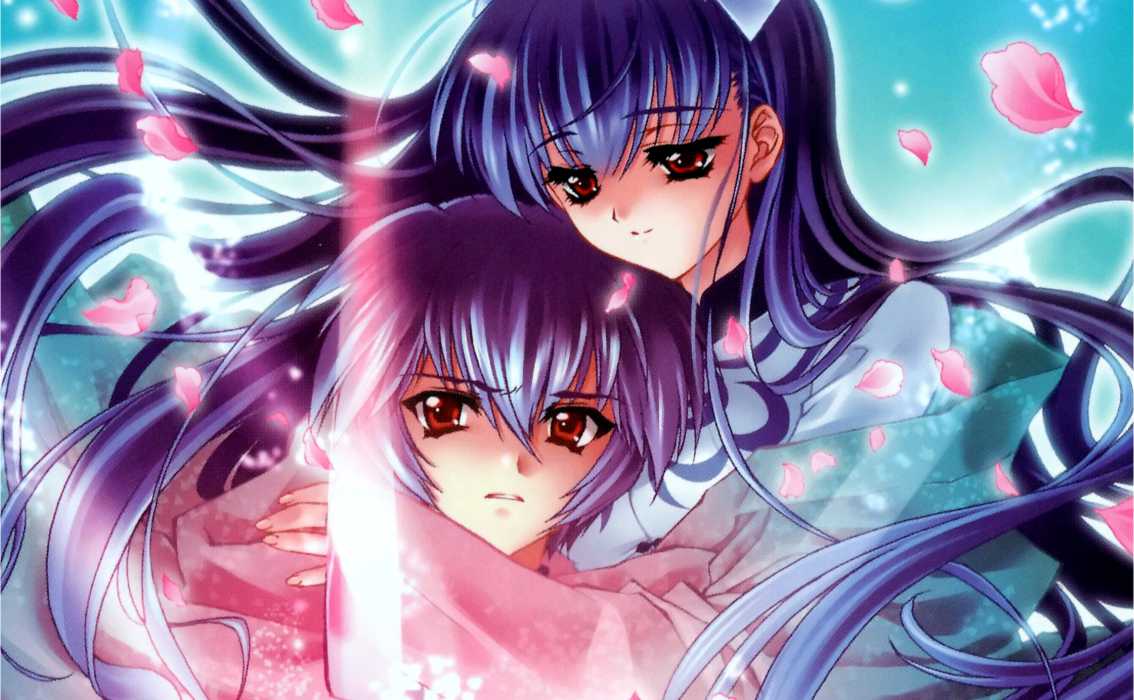
In 2007, Japanese television aired the anime adaptation of Touka Gettan, based on a visual novel released the same year. What few viewers expected, however, was that the series would become known for one of the most confusing and unusual broadcasts in anime history.
The main difference of Touka Gettan was the way its episodes were aired. Instead of following the traditional chronological order, the anime was broadcast completely in reverse, starting from the end of the story and gradually moving toward the beginning.
Touka Gettan: The Anime Broadcast in Reverse Order on TV
When Touka Gettan officially premiered on April 2, 2007, the episode aired that day was not the beginning of the narrative, but the final episode. Each week, the story moved further back in time, until, at the end of its television run, viewers finally watched the true first episode of the story.
For those who wish to watch the Touka Gettan anime in the correct chronological order, the recommended sequence is as follows: episode 26, then episodes 24 through 2, followed by episode 25, and finally episode 1.
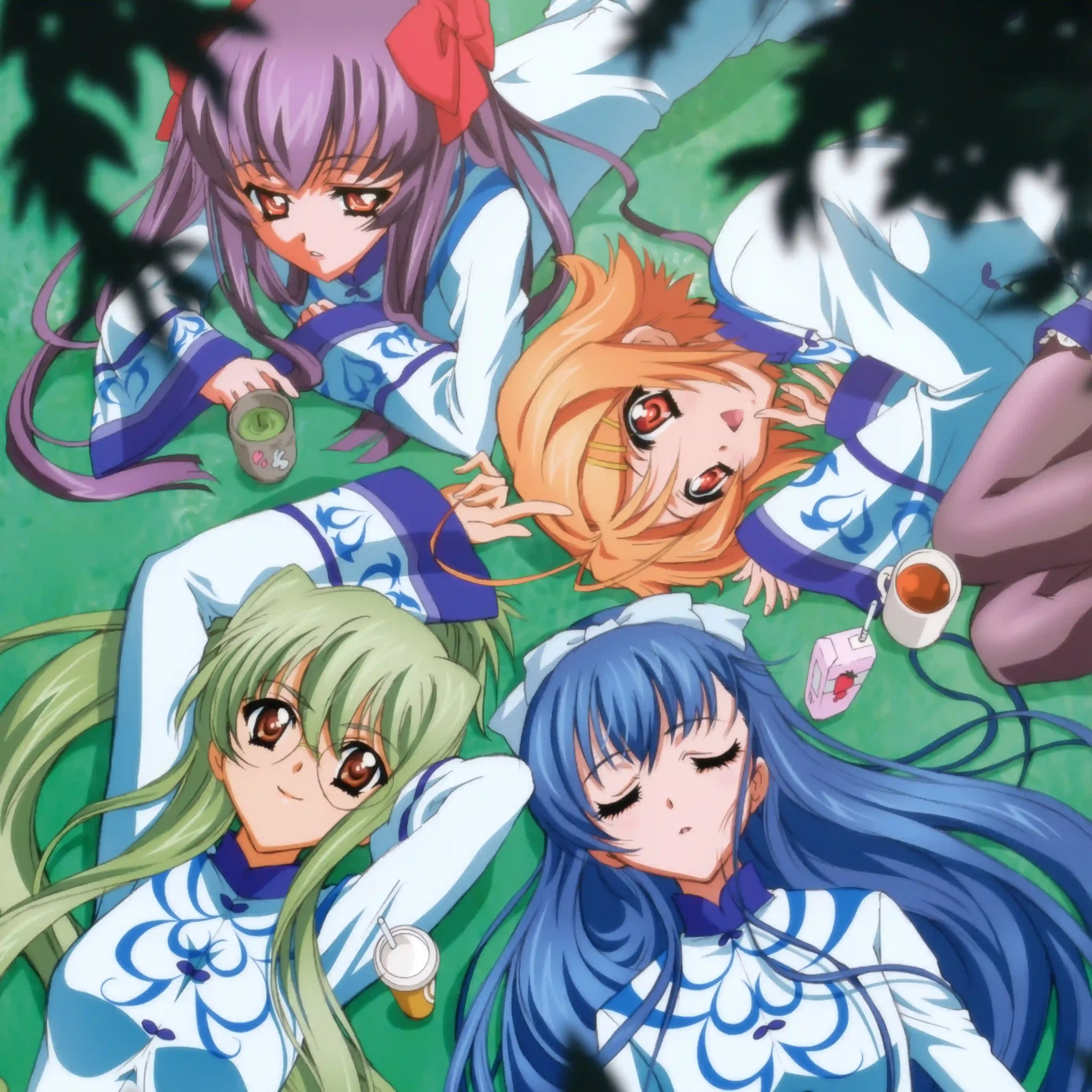
The series director, Yamaguchi Yuuji, was so confident in this creative approach that he believed other anime would adopt the same format in the future. However, the practical result was the opposite of what he expected. Many viewers reported confusion, difficulty following the story, and a loss of interest during the broadcast.
In addition to the reverse order, Yamaguchi Yuuji also implemented another uncommon creative decision. He invited voice actresses Shimizu Ai, Noto Mamiko, and Yamamoto Maria to write the scripts for some episodes. The idea was to bring greater naturalness and authenticity to the female characters’ dialogue.
Despite not achieving great popularity, Touka Gettan went down in history as one of the most extreme examples of narrative experimentation in the anime industry. Its reverse-order broadcast remains, to this day, a curiosity remembered by fans and scholars alike.