Japanese Tweet Highlights Major Changes to Mewtwo’s Dialogue in Pokémon: The First Movie
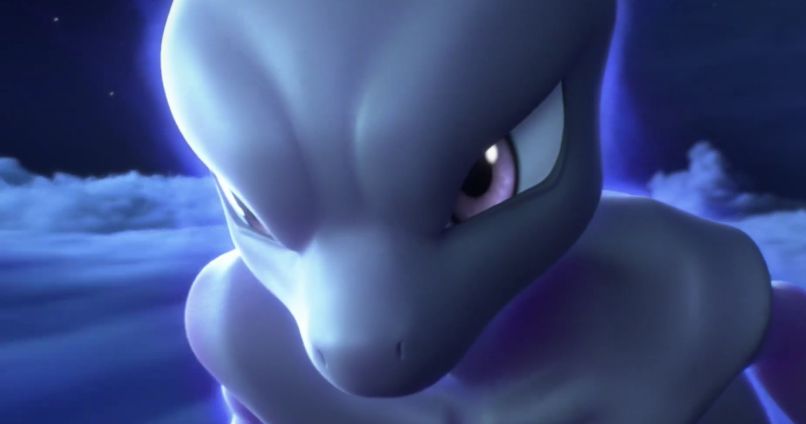
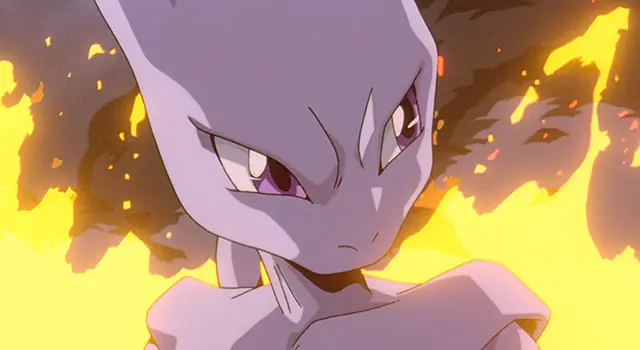
A recent tweet posted by a Japanese user drew attention by pointing out drastic changes made to the American version of Pokémon: The First Movie – Mewtwo Strikes Back. According to the post, Mewtwo’s dialogue was completely rewritten in the West, significantly altering the meaning of the original work.
In Japan, Mewtwo is portrayed as a tragic existence, artificially created, who questions his own birth and the role of those who brought him into the world. In his most memorable monologue, the character reflects on identity, purpose, and resentment, making it clear that his rebellion is not a simple desire for domination, but an emotional reaction to the suffering and rejection he experienced from the moment he came into existence.
In the Japanese version, Mewtwo says:
“Who asked for me to be born?! Who asked for me to be created?! …I hate everything that gave me life. That is why this is neither an attack nor a declaration of war, but a retaliation against those who brought me into this world!”
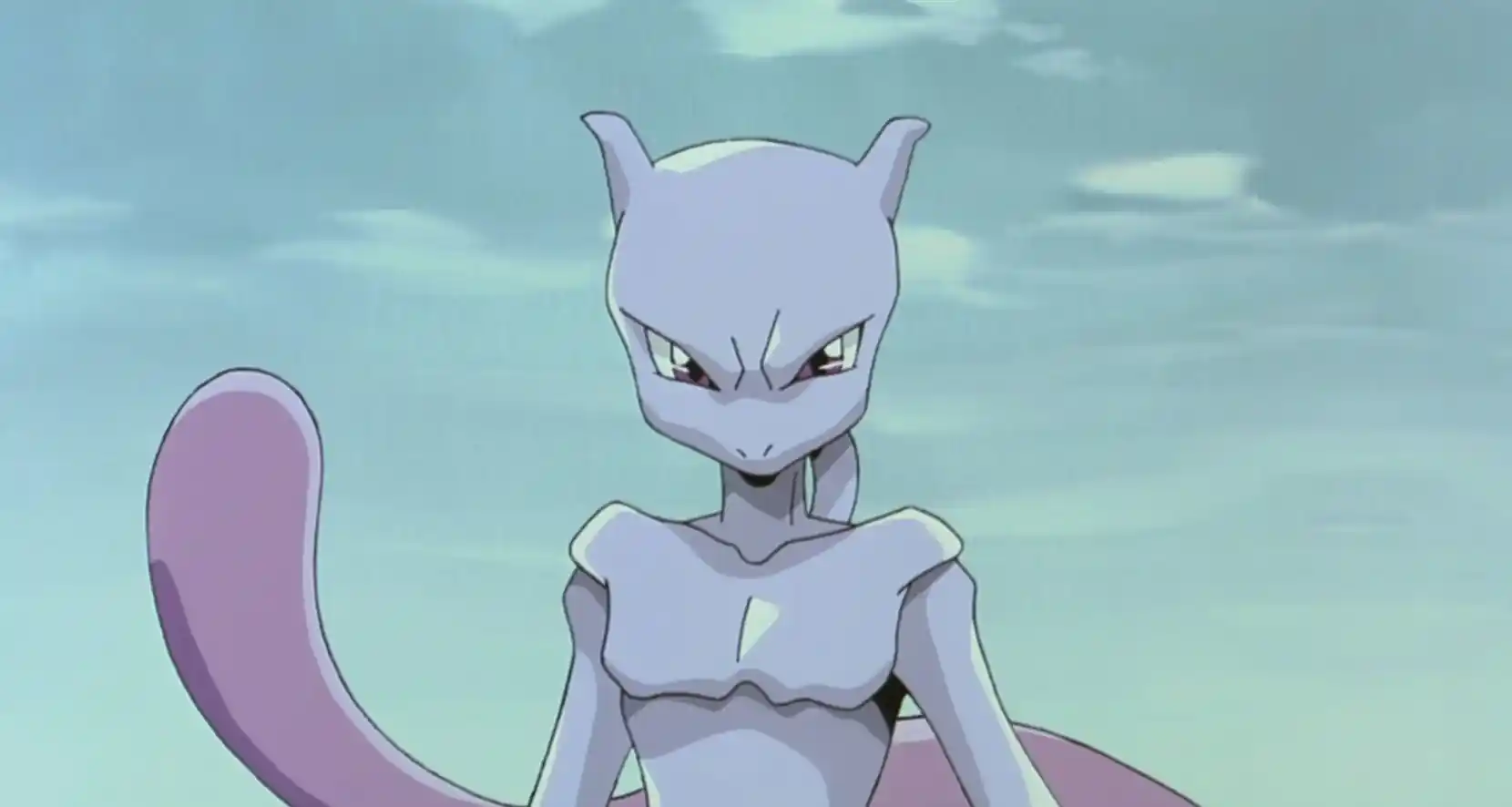
In the North American version, however, the speech was adapted into a much more direct and aggressive tone. Instead of an existential reflection, Mewtwo presents himself as an entity seeking to dominate the world through absolute power, assuming a role closer to that of a classic villain.
He says:
“Those who oppose me will be wiped from the face of the Earth! I now declare that soon this world will become the empire of Mewtwo!”
The character’s psychological complexity is reduced, and his motivation shifts to revolve primarily around strength and supremacy.
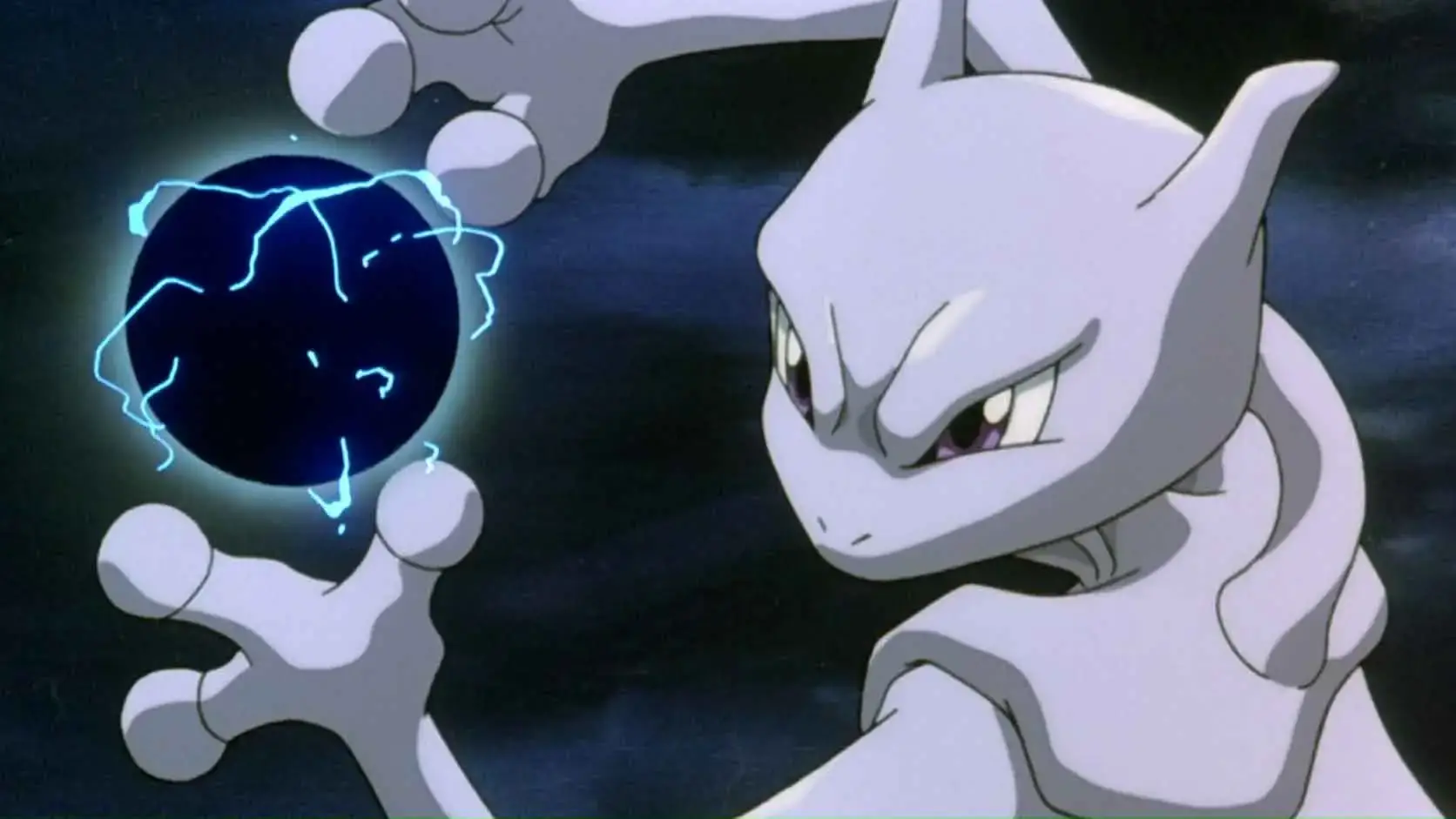
According to the tweet, this change was not isolated. The Western script is said to have been largely rewritten to frame Mewtwo as a clearly evil antagonist, unlike the Japanese approach, which treats him as an ambiguous figure marked by pain, questioning, and inner conflict.
As a result, the topic has generated many opinions among Japanese fans, who are increasingly becoming aware of how stories are altered in foreign versions.
Reactions:
“It’s fair to say this is a very ‘American’ kind of change, but it ends up cutting Mewtwo’s appeal in half. When you rewatch it as an adult, you realize how philosophical Mewtwo’s lines really are. I really wish overseas fans could see the work with the nuances of the Japanese version…”
“Dragon Ball Z is the same case. Goku was rewritten as a ‘hero of justice,’ and his original personality — someone who loves fighting and is morally gray — was trimmed down to fit a simple good-versus-evil framework.”
“I remember Yu-Gi-Oh! going through something similar as well.”
“I know this is a minority opinion, and I understand that this point is often interpreted maliciously. In principle, I’m against changes. But looking at the result, in the Japanese version Mewtwo’s existential doubt doesn’t fully connect with the extreme violence, and to me it feels more like inconsistency than depth.”
“Turning a philosophical cry about the reason for existence into a simple declaration of evil is like stripping the character of its soul.”
“It’s scary how, even with the same visuals, a single line of dialogue can change everything this much. The Japanese version is about the ‘pain of having been born,’ while the North American version turns him into a generic final boss bent on world domination. This isn’t translation — it’s reinterpretation. It already feels like a different work.”