
Medical School Exam in Japan Asked Candidates to Write a Breakup Letter

A medical school exam applied by the Aichi Medical University in Japan became a topic of discussion again, even though it is an old question, because of a prompt that appears to have absolutely nothing to do with medicine at first glance. Candidates were surprised when they were asked to write a breakup letter as part of the selection process.
Medical School Exam in Japan Asked Candidates to Write a Breakup Letter
The candidate is placed in a specific situation: they have been in a serious relationship for three years, with plans to get married in the near future. However, after meeting another person two months earlier, they end up falling in love and decide to end their current relationship. The task is clear and straightforward: write, in up to 600 characters, a letter communicating the breakup.
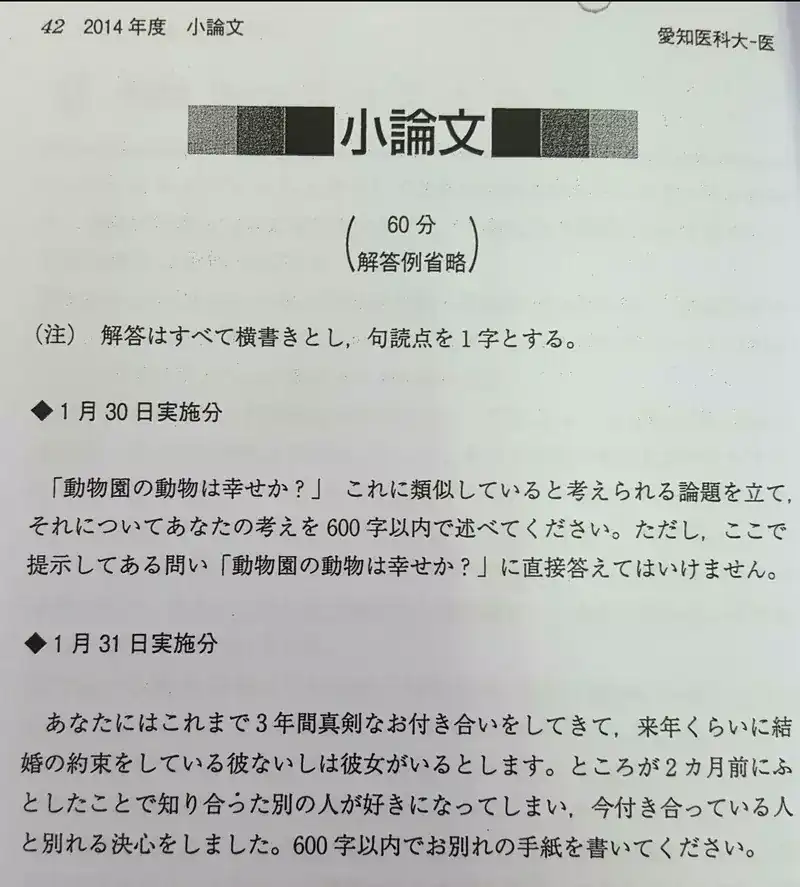
The question is not hypothetical or adapted by third parties. It is exactly the text presented on the exam, confirming that the medical school exam in Japan truly required this type of response from candidates.
Why would a question like this appear on a medical exam?
At first glance, the question seems to have no connection at all to medical training. Because of this, many internet users reacted with surprise, questioning what a breakup letter could possibly have to do with diagnoses, surgeries, or treatments.
However, experts in Japanese education explain that the goal of the medical school exam in Japan was not to evaluate romance or creativity, but rather fundamental human skills. Doctors frequently need to communicate bad news, deal with emotional suffering, and choose words that minimize negative impact on patients and their families.
Candidate: “After giving up my youth and not even having a girlfriend, I studied relentlessly until today to show all that effort here.”
University: “Write a breakup letter to your girlfriend.”

Writing a breakup letter in such a delicate situation requires empathy, emotional awareness, and responsibility for the consequences of one’s words. The candidate needs to demonstrate that they understand the other person’s pain, can express themselves clearly, and are not acting solely out of personal convenience.
It is worth mentioning that this question comes from an exam applied many years ago, but it has gone viral again because people enjoy curious stories. Would medical students in Brazil also end up having to write things like this?