
J-Pop Is Dependent on Anime, Says Music Critic
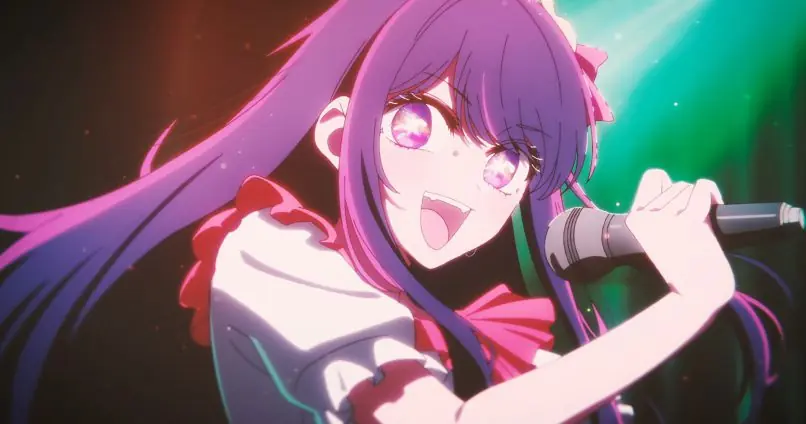
An interesting debate has emerged in Japan after a music critic claimed that J-Pop is dependent on anime. According to him, pop songs that are not connected to anime, dramas, or other forms of visual media are becoming increasingly rare on Japanese music charts.
J-Pop Is Dependent on Anime, Says Music Critic
Japanese content creator and music critic Mino recently published an essay discussing how the anime industry has been directly influencing the modern J-Pop scene. The text came after discussions with followers of his YouTube channel, where he reviews some of the biggest music hits of the 2020s.
Mino decided to respond to comments from viewers who argued that certain songs cannot be analyzed separately from the anime they are tied to. For some fans, understanding the context of the anime would be essential to properly evaluate the music.

During his analysis, the critic argues that anime-dependent J-Pop has begun to dominate Japanese music charts. According to him, songs that are completely independent and not used in anime soundtracks, dramas, or commercials are becoming something of a rarity.
To illustrate his point, Mino cited the 2025 Billboard Japan Hot 100 year-end ranking. Among the ten most popular songs of the year, only two were not connected to any type of media such as anime, TV programs, or films. Among those two, only one was performed by a Japanese artist.
Among the songs leading the ranking were themes connected to various anime and television productions. Examples include Lilac by the band Mrs. GREEN APPLE, used as the opening theme of the anime Oblivion Battery, and IRIS OUT by Kenshi Yonezu, tied to the movie Chainsaw Man – The Movie: Reze Arc.
The critic also analyzed recent albums that show this trend. One of the examples cited was the album THE GREATEST UNKNOWN by the band King Gnu. According to him, nearly every track on the album was used as a theme for anime, dramas, or advertising campaigns.

Despite this strong connection, Mino notes that the relationship between music and visual media has always existed in Japan. Since the last century, Japanese songs have frequently been used in television programs, films, and commercials.
The difference, he argues, is that in the past songs maintained a more independent identity. Today, however, many compositions are created with the intention of being used directly in anime or other audiovisual formats.
One example of this shift is what he calls the 89-second rule. Since anime openings usually last around a minute and a half, many modern songs are structured to place their most memorable moments within that timeframe.
Do you agree with him?