Anime Adaptations that Angered their Original Authors
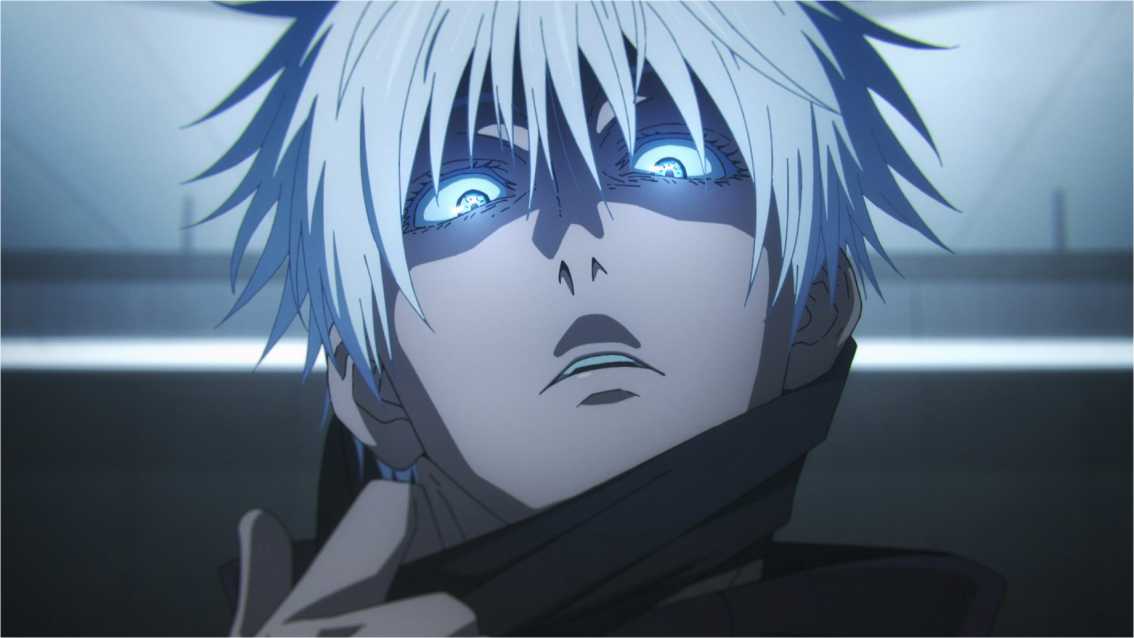
When a manga receives an anime adaptation, the production team often tries to fill gaps left by the author, whether through extra stories or by adding original characters.
There are certain anime adaptations that ended up angering their original authors, since when an author is not involved in the production, there is a great deal of freedom in how the anime is created.
The website Magmix compiled cases where anime adaptations ended up frustrating their original creators due to changes made in the animation.
Anime Adaptations that Angered their Original Authors
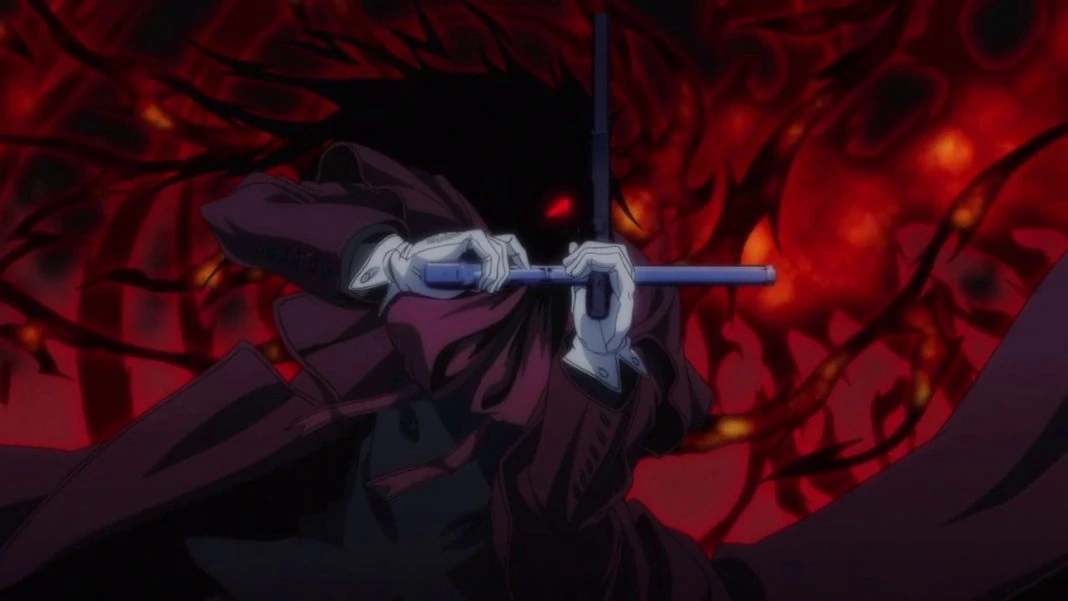
A good example is the 2001 anime adaptation of Hellsing. This was the first anime adaptation of the vampire manga and was highly anticipated by fans.
In this case, original anime characters were added, which ended up overshadowing the original characters from the manga.
The reason the production team made these changes was their concern about including depictions of the fictional Nazis that appear in the original story. The Major, leader of the Nazi remnant organization Millennium, appointed by Adolf Hitler himself, was considered a problematic character to include.
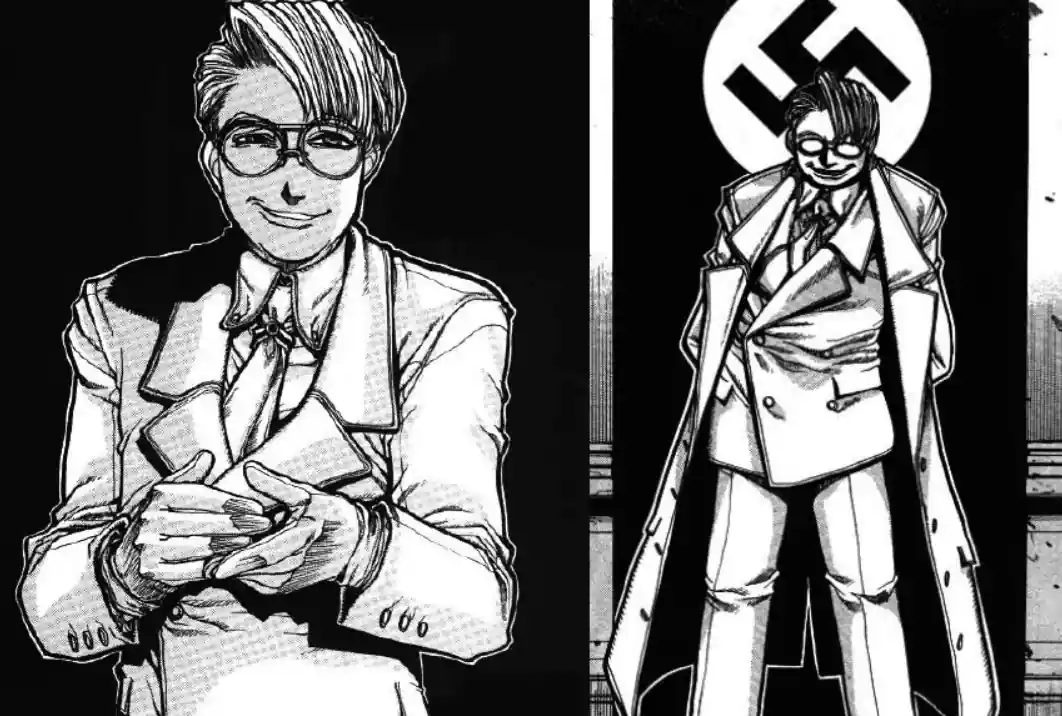
Since international distribution had already been decided, the production chose to remove The Major, but this resulted in the story lacking a key antagonist and an essential character that defined Hellsing.
Kouta Hirano, the original author of Hellsing, did not like this decision and expressed his disappointment in a series of social media posts, stating that he “was a fool for having expectations.”
Hirano also refused to create the cover illustration for the anime’s DVD release and stated that he sold his copy of the DVD to a retailer.
Now, speaking of a sports anime, the 2019 high school basketball anime Ahiru no Sora had already been compared to the basketball anime and manga Kuroko’s Basketball due to its theme. However, in one episode, the production team added a detail that does not exist in the original work and could even be interpreted as plagiarism.
During a match, characters had light coming out of their eyes, which is a characteristic representation of players entering the Zone in Kuroko’s Basketball.
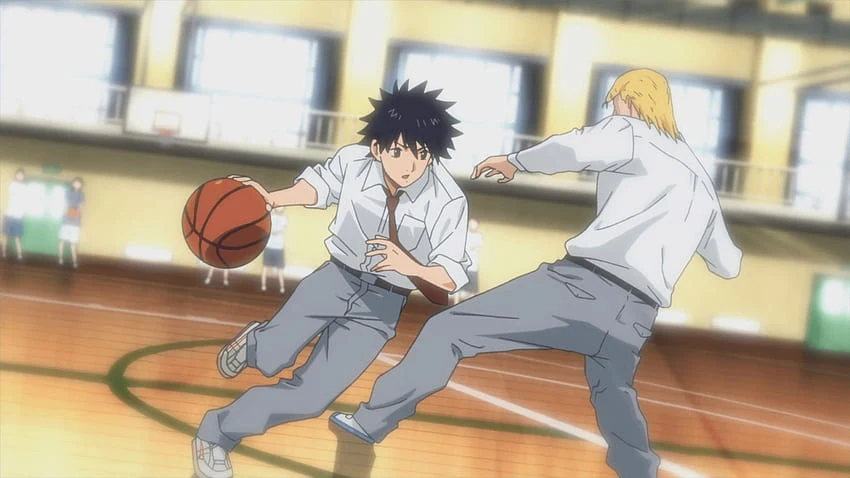
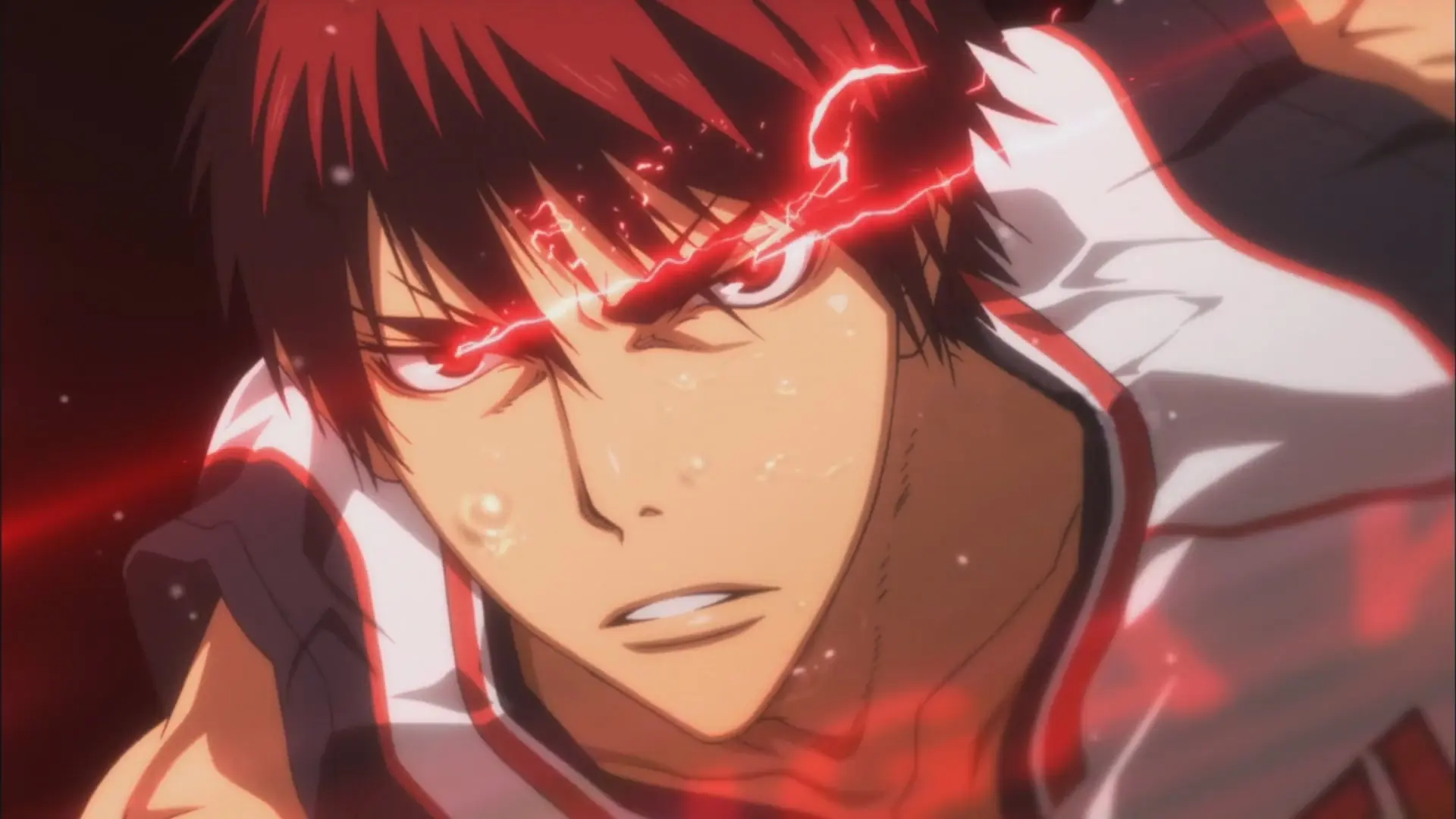
The original author, Takeshi Hinata, apologized online and called the production a “disappointment.”
There have also been cases where artistic liberties taken in anime adaptations ended up elevating the original material, even if the changes were not what the author wanted.
This was the case with the manga Gunslinger Girl, which tells the story of girls with cybernetic implants being trained as assassins.
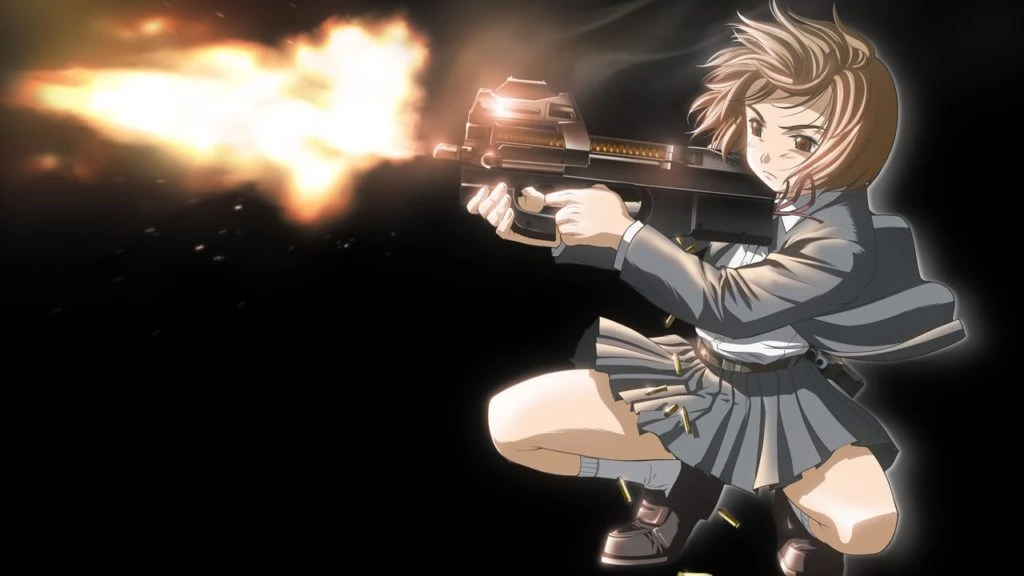
The author was not involved in the first anime adaptation, and the production took narrative liberties, exploring the suffering and relationships of the characters, resulting in a contemplative drama with tragic elements.
However, since original author Yu Aida did not like the changes, he became directly involved in the sequel, which followed the manga faithfully but surprised audiences due to the sudden change in tone, including cheerful voice acting, radically different character personalities, and more frequent panty shots.
Another more recent case is Osamake: Romcom Where The Childhood Friend Won’t Lose, whose light novel was selling extremely well. The story is a romantic comedy about a childhood friend who refuses to lose, which attracted many fans.
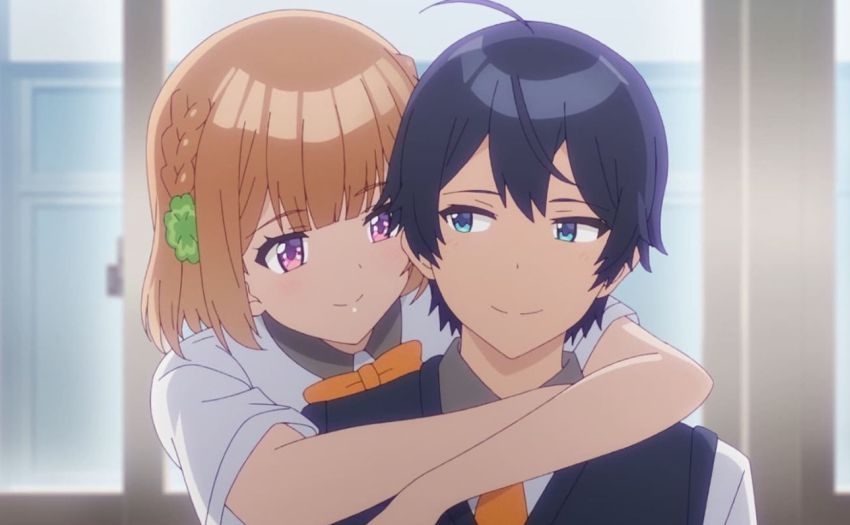
However, when the anime premiered, the animation quality was very low and the story disappointed viewers, becoming heavily criticized.
The author posted on Twitter that he struggled to watch more than four episodes of Osamake and suffered writer’s block for six months due to his deep disappointment with the anime.
Such changes in anime adaptations may not only displease the original author but also the audience, resulting in poor reception, declining sales, and lasting criticism, reinforcing the importance of respecting the original material.
Fonte: Magmix via Automaton