
DC Comics Chief Points Out the Advantage of Anime and Manga Over Western Comics
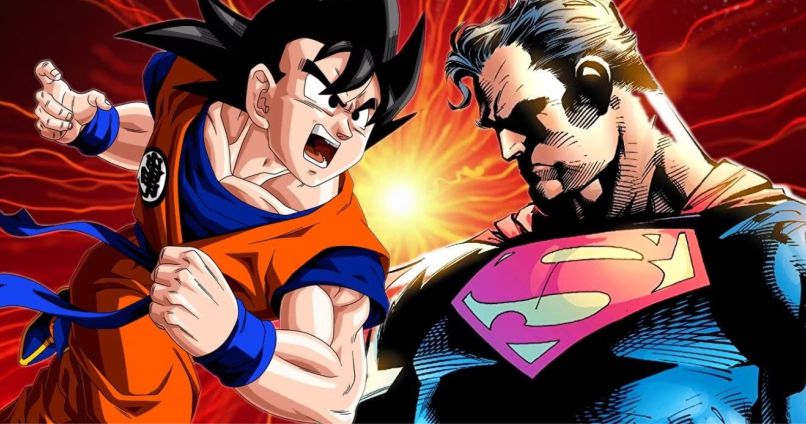
The president, chief creative officer, and publisher of DC Comics, Jim Lee, gave an interview in which he pointed out a considerable advantage that anime and manga have over Western comics.
Lee highlighted that Japanese stories, even in a broader context, continue to expand significantly because audiences want to “discover something that feels exclusively their own.”
DC Comics Chief Points Out the Advantage of Anime and Manga Over Western Comics
This happens not only because they do not simply inherit current trends, but also because Japanese stories exist in a wide variety of forms, especially when compared to Western comics.
Lee continues:
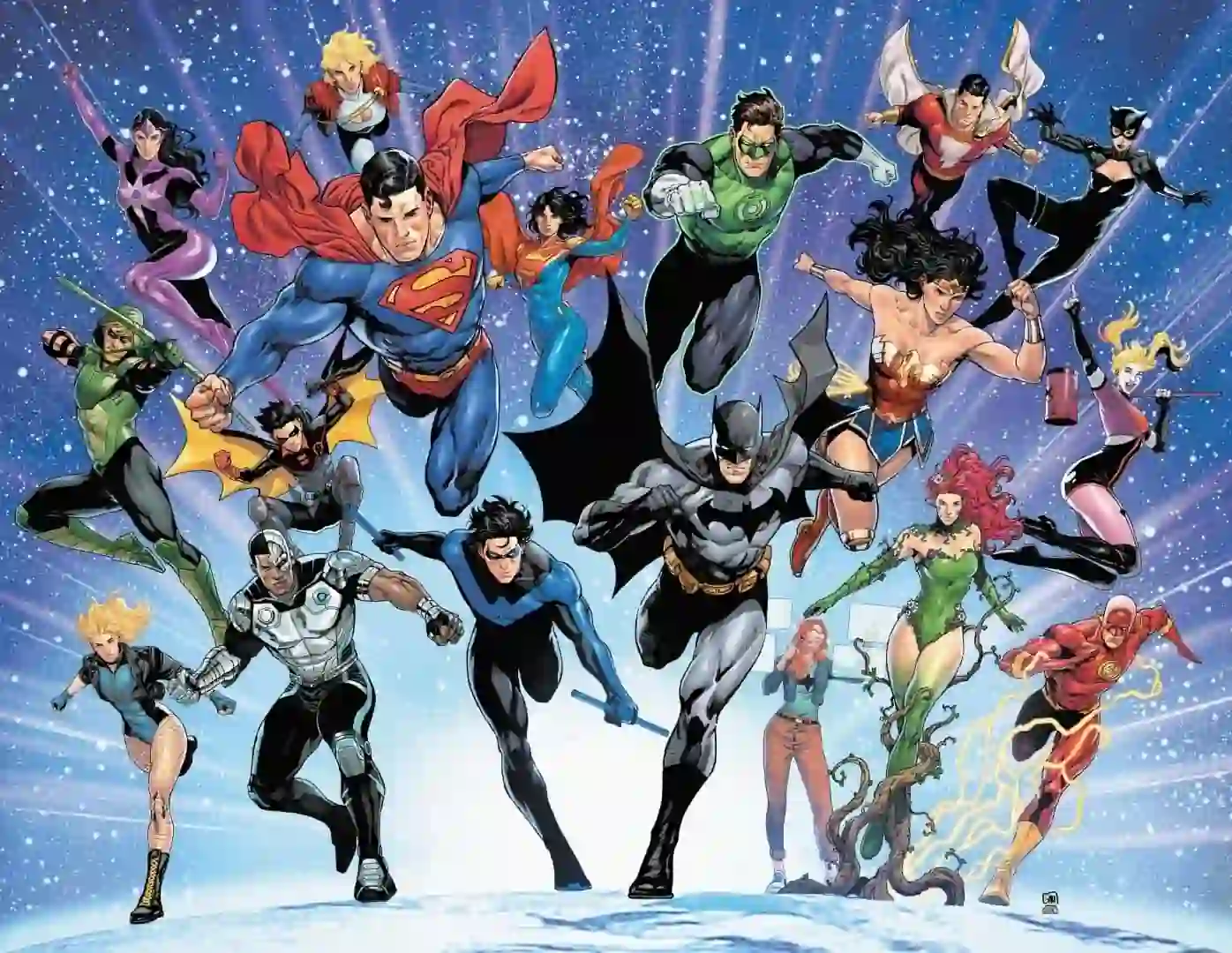
“The stories told in Japanese manga and anime are incredibly powerful. I often ask myself, ‘What is missing from Western comics, and why can’t they reach the same level?’ Additionally, I think manga has an advantage over American comics, which are mostly about superheroes, and that’s where most of the sales and readership are concentrated.”
“In Japan, it is closer to ‘literature,’ and anyone can read it, as it’s not just about hero stories. There is a much broader range of genres, such as cooking and soccer stories. You can create stories from that. So I’m very happy that manga has been so successful, because it gives me a ‘goal’ to strive for. The manga market is larger than our industry, so the question becomes: ‘What can we learn from that?’”

Lee also states that it’s not just about artistic style, but about the sensitivity that Japanese stories are able to convey. Another point he highlights is that, in the West, comics and animation are still considered “children’s media.”
However, this does not apply to Japan — and it should not apply here either — because there is no age limit for enjoying certain things. In Japan, there is a wide variety of genres, so adults also read manga and watch anime, and this form of art, as part of the culture, should not be limited to a specific age group.
Regarding Lee’s statement about the term “exclusively their own,” the executive mentioned periods of popularity, citing the major boom in the manga market during the 1990s.

This was followed by a decline and, later, a collapse in the mid to late 2000s, caused by several factors such as market saturation, a drop in quality, the rise of internet piracy, and the financial crisis, which directly affected the anime market and led to the closure of many bookstores.
And what about manga sales? Two consecutive years of growth were recorded in 2013 and 2014, something that had not happened since 2006 and 2007. The market continued to grow in the following years and experienced a major surge during the critical period of the COVID-19 pandemic.