
Gachiakuta Stage Play Announcement Sparks Controversy Among Foreign Fans
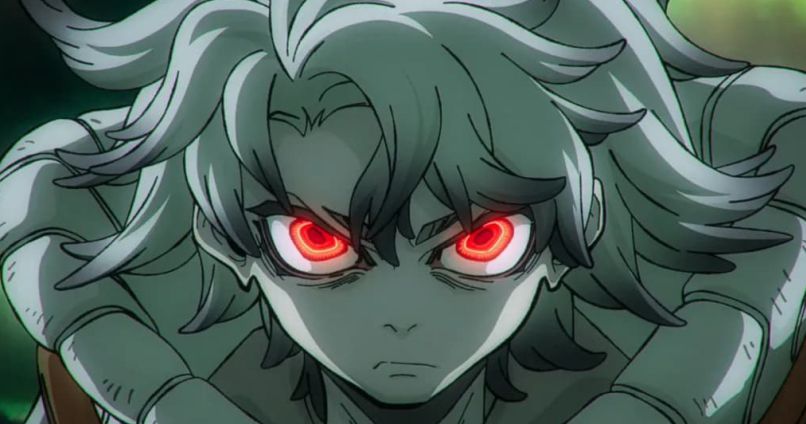
It was announced recently that the anime Gachiakuta will receive a stage play adaptation in Japan. The play will be held in Japan, and the official stage play account shared visuals of the actors in character, along with individual images. Some characters ended up causing controversy among foreigners.
As has become common nowadays, whenever Japan announces something on its official profiles, many foreigners comment. As expected, even the promotional posts for the Gachiakuta stage play received numerous foreign comments. However, some posts sparked strong backlash.
More specifically, what caused the outrage were the two visuals below, featuring Japanese actors portraying characters who are Black in the anime.
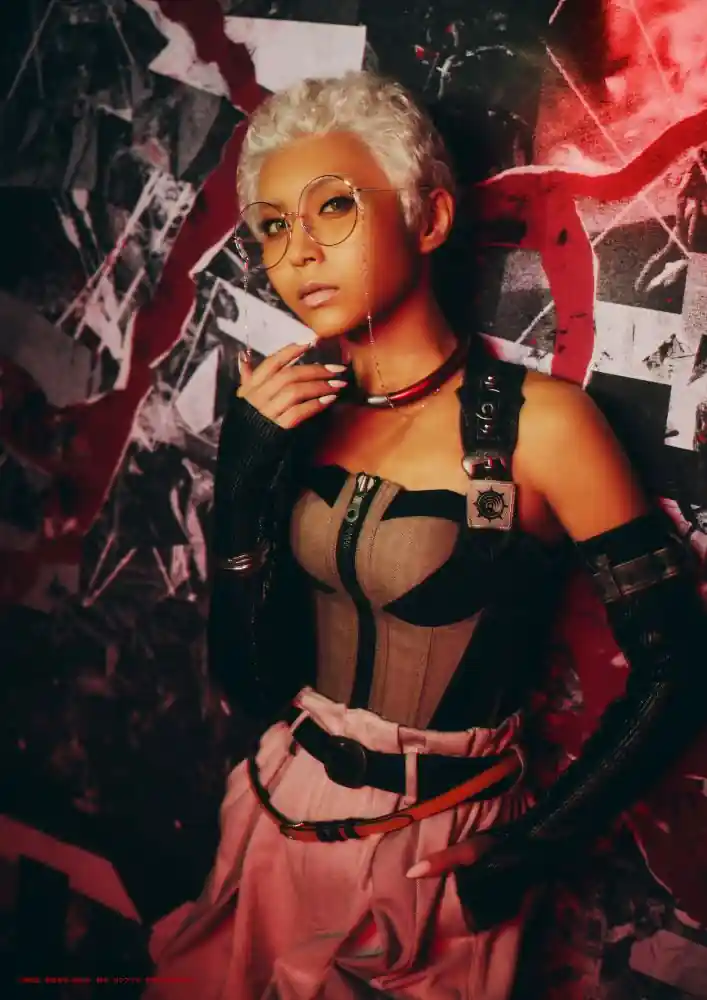
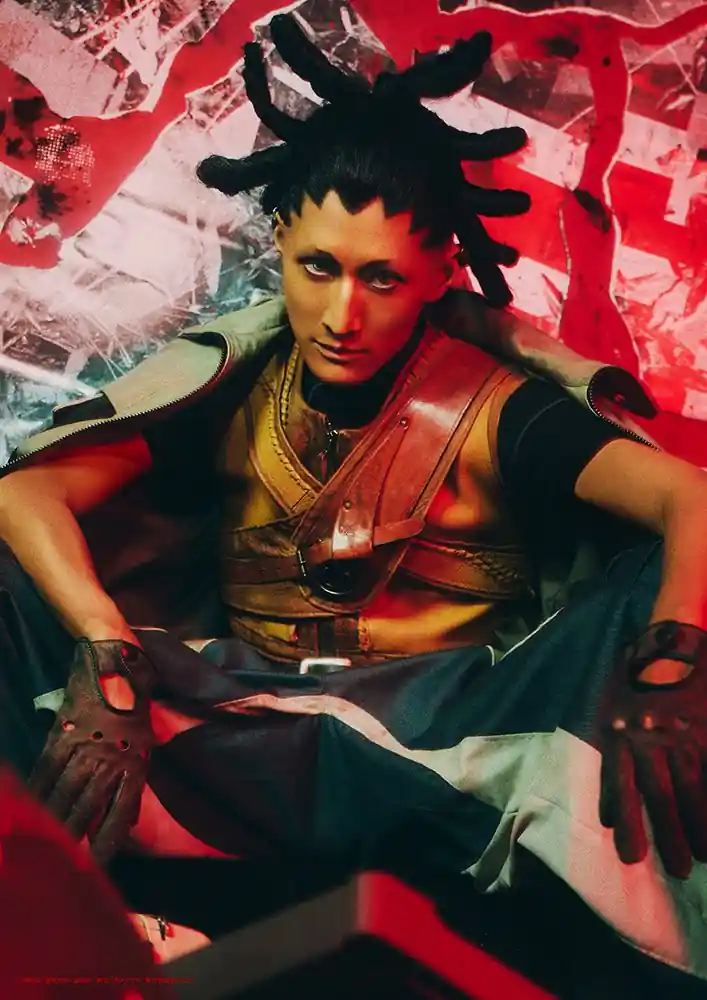
Below are the characters in the anime for comparison.
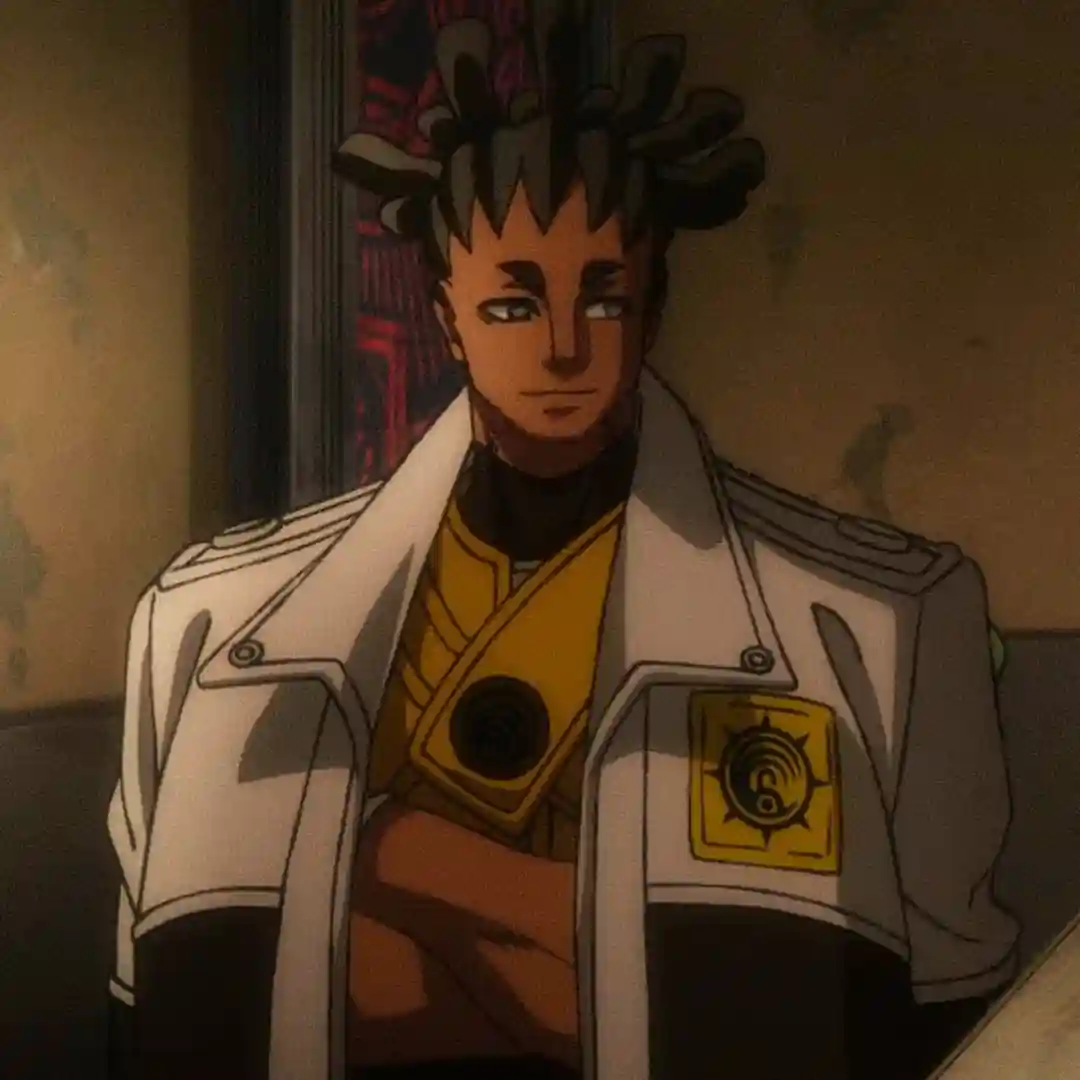
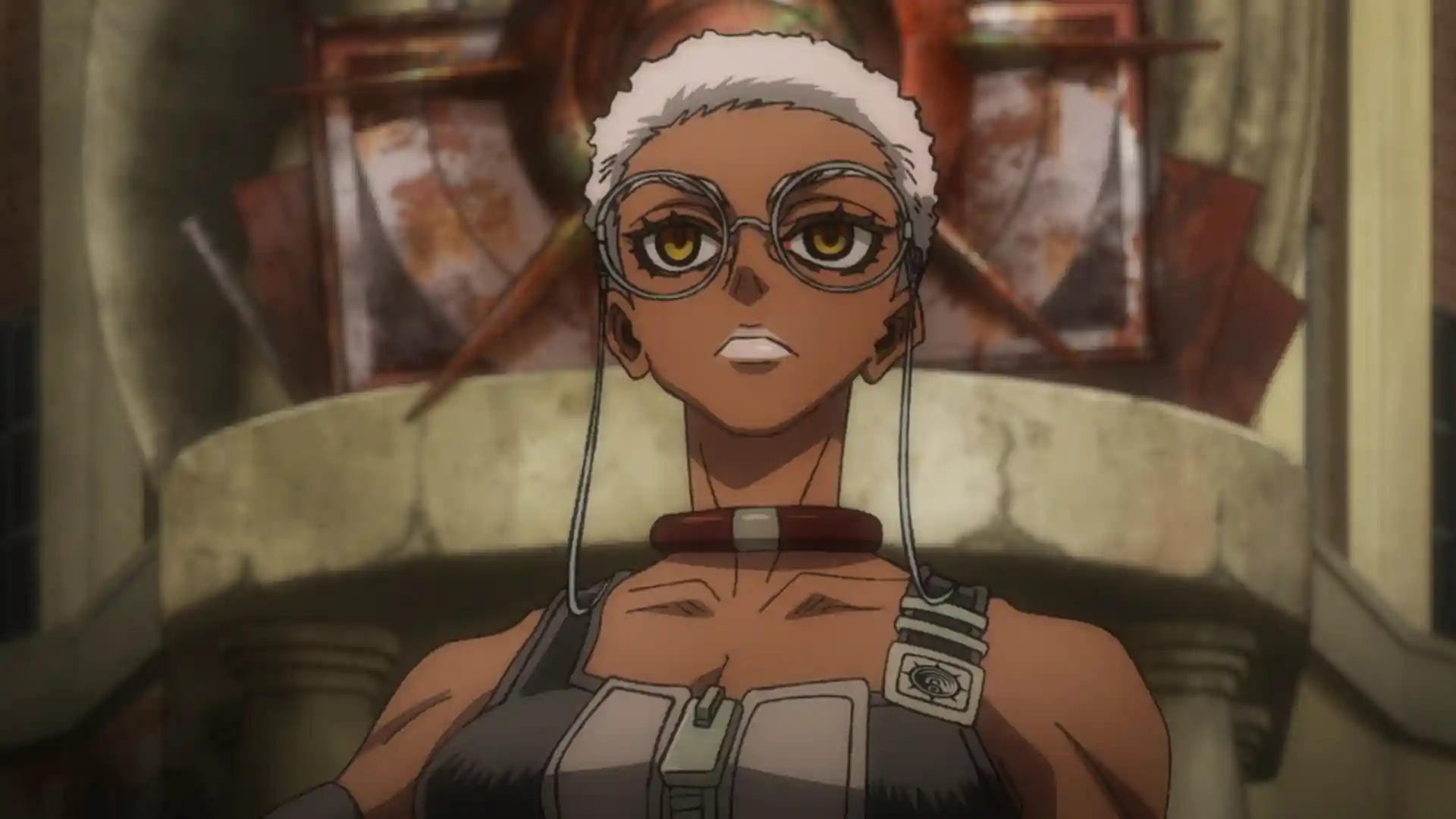
While the Japanese audience praised each actor for their role, foreigners left comments such as:
- Trash
- Cancel the whole thing please
- Everyone was fine until I saw they avoided hiring Black actors
- Why would you, a non-Black person, accept a role for a Black character and still do blackface
- Japan as a country needs more hatred directed at it
- This can’t be happening
- You’re going to hell and I’ll make sure of it
- All the Japanese praising the actors… I know you like living in your bubble and acting clueless. You’re all shameful. Do better.
- Oh heavens, this is what we call blackface
- This is ugly
- I’m not reading this series anymore
- Why did they do blackface twice? Couldn’t they find Black actors?
And more and more comments like these appeared, to the point that the official Gachiakuta the Stage account released an official statement in Japanese and English regarding the situation. Below is a summary of their statement:
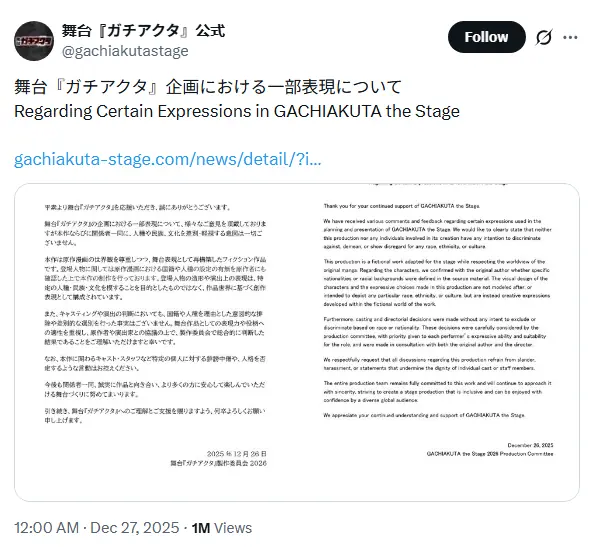
The GACHIAKUTA the Stage team stated that they received comments and criticism regarding certain expressions used in the production, but clarified that there was no intention to discriminate against, demean, or offend any race, ethnicity, or culture. They explained that the play is a fictional work adapted from the original manga, respecting its world, and that the characters do not have specific nationalities or racial backgrounds defined by the author.
The production emphasized that the visuals, casting, and directorial choices were made purely from a creative and artistic standpoint, without any intent to exclude or discriminate, prioritizing each actor’s suitability for the role. Finally, they requested that discussions avoid slander, harassment, or attacks against the cast and staff, and reaffirmed their commitment to creating an inclusive stage production for a global audience.
Below, you can check some reactions generated by the official statement. If the comment was originally in Japanese, it is marked with (JP); if it was originally in English, it is marked with (EN).
“Since when did dark skin automatically become ‘something exclusive to African-Americans’ or ‘dark skin belongs to us’? Dark elves and tanned people don’t belong to African-American Black people. Don’t get it twisted.” (JP)
“This is just noise from loud Westerners who won’t even attend the stage play. Please don’t mind them.” (EN)
“Black character played by another race → unforgivable
Another race played by Black actors → acceptableIf you’re so obsessed with race, then make your own work that satisfies you.
And people who constantly preach peace, equality, and anti-discrimination attacking the actors… what kind of contradiction is that?” (JP)“It might be hard to believe for people from countries with racial discrimination against Black people, but Japanese people tan, so there’s almost no concept here of tying skin color to race. That might be hard to explain…
And if a character had red skin, they’d probably paint the actor’s face red too.
If this feels discriminatory, maybe the environment where that concept is born is the real problem…” (JP)“Maybe Black people should just create their own content full of Black characters instead of constantly complaining about Black characters appearing in other people’s works.” (JP)
“If people start demanding that Black characters must only be played by Black actors, stage plays won’t be possible in Japan.
You don’t understand how few Black actors there are here (and how limited the options are).
Theater adapts to the region.” (JP)“Just like cosplay, race or skin color doesn’t need to match the character. I think it’s wrong to artificially change the actors’ natural skin color. In Disney or Hamilton adaptations, actors often have different races from the original characters, but their skin isn’t changed.” (JP)
“It’s good that you’re reevaluating, but even if there was no intention, it still came across as discriminatory. Unintentional racism is still racism. People are upset because the production didn’t evaluate Black candidates for the role.” (EN)
“So… are you going to remove the fake tan from the Black characters?” (EN)
“If you had listened to the author, this wouldn’t have happened in the first place.” (EN)
At the moment, there has been talk that the manga’s author supposedly recommended Black actors for these characters, but I searched and could not find where she said that. Furthermore, the author shared the stage play’s official statement.
“If it’s difficult to find naturally dark-skinned actors (Asian, Black, or others), please avoid using makeup to fake diversity. Let the actors look like themselves. I hope the industry trains and hires more diversity someday.” (EN)
“I think this is similar to the ‘slanted eyes’ gesture incident in Finland. Outsiders think ‘what’s the problem?’, but for those affected, it’s a serious issue.” (JP)
“‘We confirmed with the author whether race mattered’ — and were you loyal to that?
People are angry about two things: not respecting the author’s decision and using blackface.
If you can’t find Black actors, use the natural skin tone of the ones you chose.” (EN)“Cast Black actors for Semiu, Jabber, and Corvus.” (EN)
“If you can’t find appropriate actors, at the very least don’t force the current ones to wear offensive makeup.” (EN)
“Thank you for the report regarding certain expressions in the stage production ‘Gachiakuta’. It’s important to aim for expressions that match the work. I understand that this report focuses on specific expressions.” (JP)
“There have been countless localized stage adaptations where Japanese actors played Black roles (probably 99% of them). I can only recall about two that actually used Black actors. Why is this suddenly an issue now?” (EN)
“We can tell the visual design didn’t consider race, since you chose to fake racial traits on non-Black actors and ignored the author’s words. Hire Black actors if you’re going to make a stage play with Black characters.” (EN)
“Whatever. Just make sure that when the inevitable live-action adaptation happens, you cast actual Black people. Do what One Piece did and hire Western actors.” (EN)
“You don’t have to do this. It’s just tourists trying to cause trouble! They won’t even come watch it. Keep up the good work!!” (EN)
“This isn’t blackface. It’s just hysterical people making noise over nothing to farm engagement.” (EN)
“So you’re not going to do anything, huh? Fuck you. Hope this stage play flops.” (EN)
“Thank you for the report regarding certain expressions in the stage production ‘Gachiakuta’. It’s important to strive for fidelity to the work. I hope the effort pays off.” (JP)
“Okay, now stop making actors wear blackface and hire real Black people instead of giving cheap excuses.” (EN)
“You’ve been leaving hateful comments all over different artists’ posts, making annoying remarks in the author’s livestreams, dragging the author into plagiarism drama, and now you’re even meddling with the stage cast… seriously, enough 😇 you’re finished as human beings.” (JP)
“Since when did dark skin automatically become ‘something exclusive to African-Americans’ or ‘dark skin belongs to us’? Dark elves and tanned people don’t belong to African-American Black people. Don’t get it twisted.” (JP)
That’s it.