
China Bans Japanese Anime at Doujinshi Event
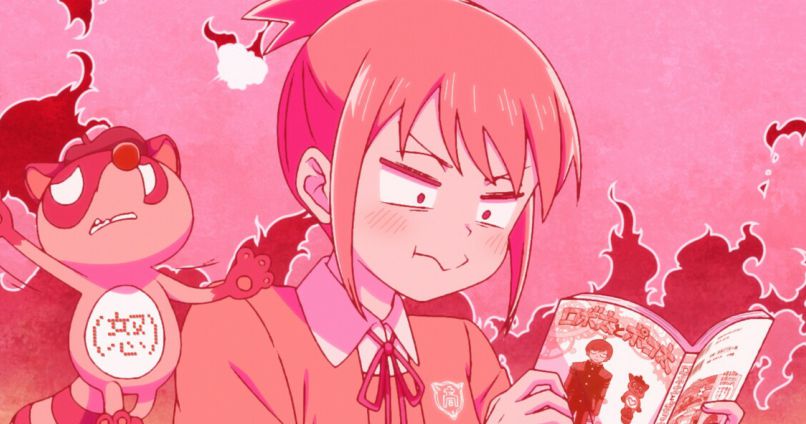
China has banned Japanese anime at a doujinshi event, and the decision is already generating strong negative reactions both inside and outside the country. The case involves COMICUP, the largest doujinshi fair in China, which will undergo a drastic format change just days before its scheduled date.
China Bans Japanese Anime at Doujinshi Event
COMICUP, one of the largest doujinshi conventions in China, takes place twice a year and was scheduled for the 27th and 28th of this month in Hangzhou, Zhejiang Province. However, the organizers suddenly announced that the event will be transformed into a special edition called “New National Style.”
In practice, this means that only Chinese intellectual properties will be allowed. Any material related to Japanese manga, anime, or franchises has been banned, including merchandise, illustrations, doujinshi, and possibly even cosplay.

According to the organizing committee, the decision was made after considering the current social environment and cultural responsibility. Despite the vague explanation, the change comes amid worsening diplomatic tensions between China and Japan, reinforcing the interpretation that this is a political and ideological measure.
With the new rule in place, many exhibitors have begun canceling their participation. Reports from Asian media indicate a mass cancellation of independent booths, especially those focused on works inspired by Japanese IPs, which have traditionally been the majority at these events.
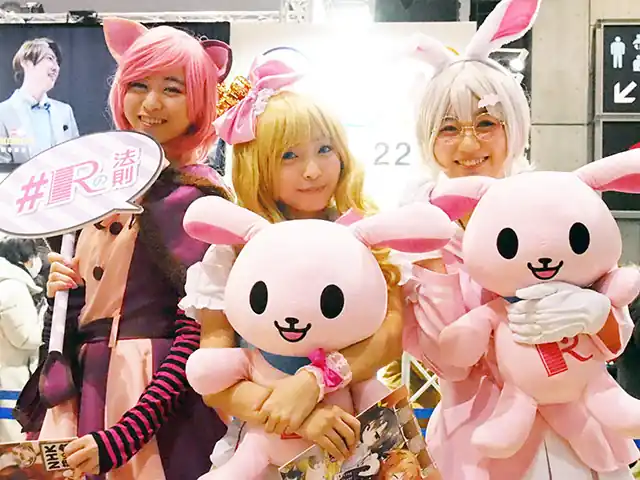
Reports circulating on Chinese social media suggest that enforcement will be strict. There are rumors that cosplayers dressed as non-Chinese characters may be barred from entering the venue and that staff will conduct constant inspections throughout the event to ensure compliance with the rules.
Japanese Fans React to China’s Decision
The news also strongly resonated among Japanese fans, who reacted with criticism, irony, and concern. Many comments suggest that this type of restriction helps explain why China’s creative market struggles to compete globally.
Some internet users mocked the fact that China rejects Japanese works while simultaneously wanting to benefit from the profits and cultural influence of these productions. Others expressed sympathy for Chinese fans themselves, who end up being the most affected by the decision.
There were also those who argued that the ban has no real impact on Japan, but could spark outrage within China, especially among young people and otaku communities. Comments also highlighted that without Japanese IPs, events like this tend to lose much of their appeal.
Some fans were even more direct, stating that removing Japanese works from these events artificially limits the country’s own cultural growth. For them, this restrictive policy is one of the main reasons China struggles to stand out in this type of creative content.